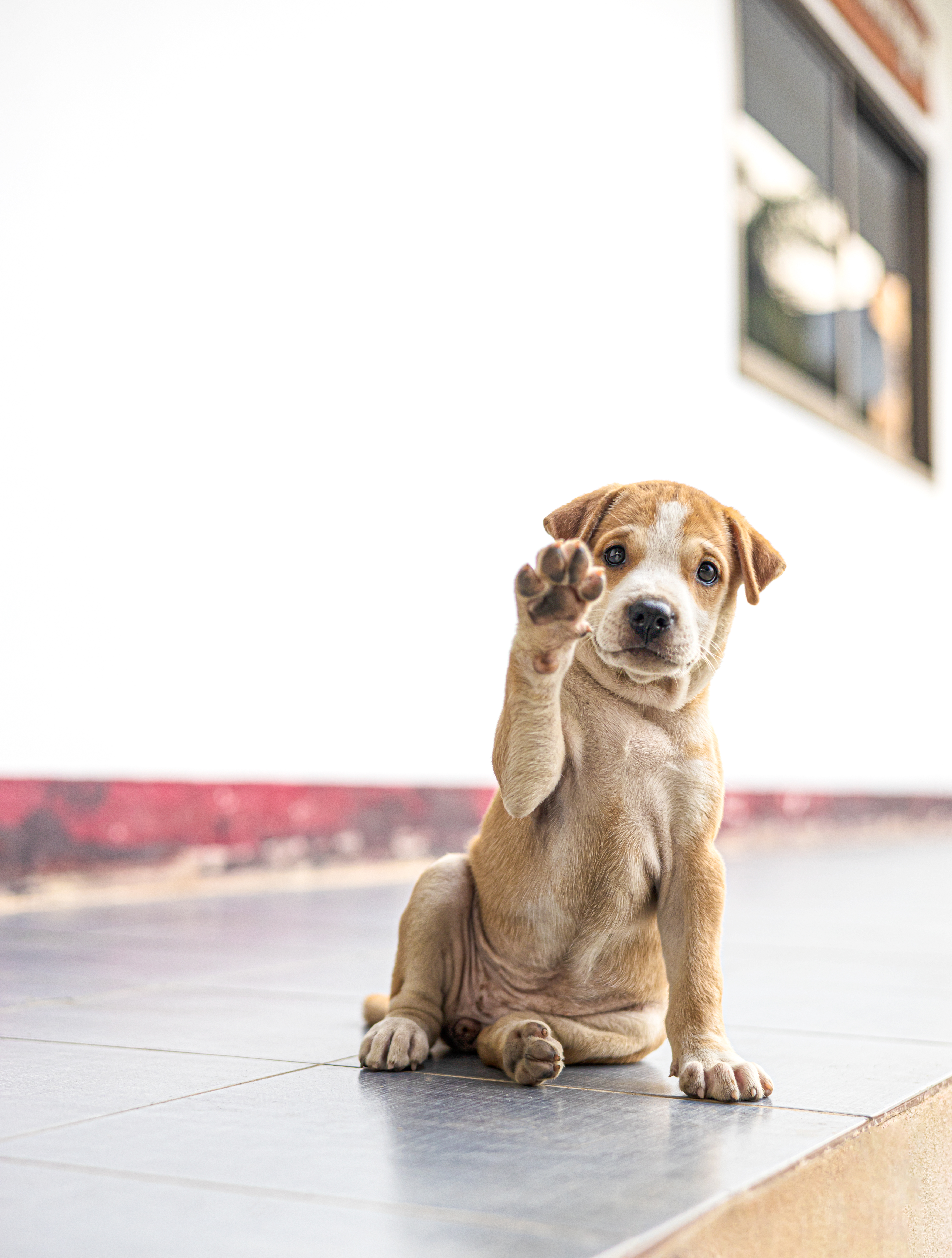
Training a puppy is an essential part of raising a well-behaved and happy dog. One of the most effective methods is positive reinforcement. This means rewarding good behavior with treats, praise, toys, or affection. For example, when your puppy sits on command or goes potty outside, immediately reward them. This helps them understand which actions are desirable and encourages them to repeat those behaviors. Timing is crucial—rewards should come right after the behavior to create a clear association.
Consistency is another key to successful puppy training. Dogs thrive on routine and clear expectations. Make sure everyone in the household uses the same commands and responds to the puppy’s behavior in the same way. If “off” means get down from the couch, everyone should use that word instead of “down” or “no.” Repetition helps the puppy learn faster and prevents confusion. Daily training sessions, even if they’re short, will reinforce learning and build confidence.
Socialization should be integrated into your training plan early on. Puppies need to be exposed to a variety of people, dogs, sounds, environments, and experiences in a safe and controlled way. Proper socialization can prevent fear, aggression, and anxiety later in life. Enrolling in a puppy class can be a great way to practice both training and social skills in a structured environment with professional guidance.
Finally, patience and understanding are vital. Puppies are learning about the world for the first time, and accidents or mistakes will happen. Instead of punishment, focus on redirection and calmly guiding them to better behavior. Crate training, for example, can help with potty training and give your puppy a safe place to relax. With love, structure, and time, your puppy will grow into a well-adjusted companion.