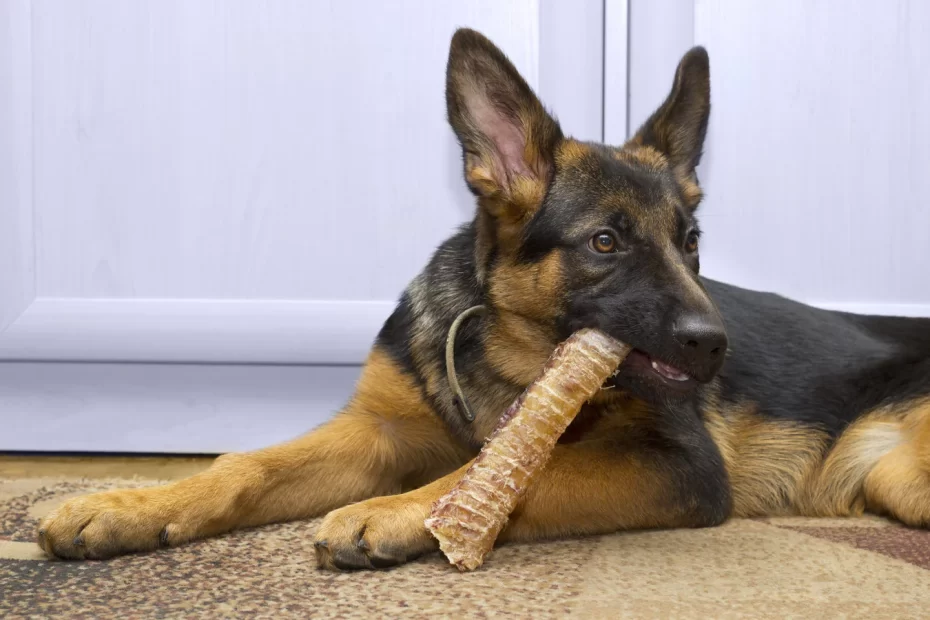
Some veterinarians do recommend raw bones as a treat for dogs due to their potential benefits, including:
- Improved dental hygiene: Chewing on raw bones can help remove plaque and tartar buildup, promoting healthy teeth and gums.
- Mental stimulation: Bones provide a natural and instinctual chewing outlet for dogs, combating boredom and potentially redirecting destructive chewing behaviors.
- Nutritional value: Raw bones can be a source of essential nutrients like calcium, phosphorus, and marrow (rich in fat), providing additional calories and minerals.
Risks associated with feeding bones
However, there are also significant risks to consider:
- Dental injuries: Hard bones can cause chipped or fractured teeth, leading to pain, infection, and potentially expensive dental procedures.
- Choking and obstruction: Bones, particularly cooked bones, can splinter into sharp fragments that pose a choking hazard or cause intestinal blockages or punctures, which can be life-threatening.
- Digestive issues: Bones can cause constipation, diarrhea, or pancreatitis in some dogs, especially those with sensitive stomachs or a history of digestive problems.
- Bacterial contamination: Raw bones can harbor bacteria like Salmonella, posing a risk to both dogs and humans