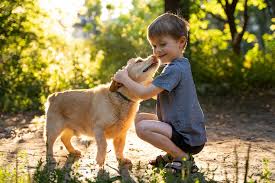
ChatGPT said:
That’s a really important question 🐶👶 — and it can make a big difference in keeping both your dog and child safe, happy, and stress-free.
Here’s a step-by-step guide to introducing a dog to a child (whether a baby or an older kid):
1. Prepare Your Dog First
- Teach basic commands: Sit, stay, down, leave it — these give you control during introductions.
- Burn off energy: A tired dog is calmer, so exercise them before the meeting.
- Check body language: Look for signs of stress (tail tucked, ears back, growling) and never force interaction.
2. Prepare the Child
- Teach gentle behavior: No grabbing ears, tails, or fur. Show them how to pet slowly.
- Explain boundaries: Dogs need personal space — no climbing, hugging tightly, or disturbing while eating/sleeping.
- Stay calm: Loud noises and fast movements can scare a dog.
3. The First Introduction
- Neutral space (if possible): Introduce outside or in a calm, open area.
- Leash control: Keep your dog on a leash at first for safety.
- Slow approach: Let the dog sniff the child’s hand (fingers curled in, not poking out).
- Short and positive: Praise calm behavior and give treats to your dog.
4. Build Positive Associations
- Reward your dog for calm behavior around the child.
- Involve the child in simple tasks (like tossing a treat or helping refill the water bowl).
- Always supervise — never leave a dog and young child alone together.
5. Ongoing Safety
- Create a safe space (crate, bed, or another room) where your dog can retreat if overwhelmed.
- Teach the child to respect that space.
- Keep interactions short at first and gradually increase as comfort grows.
✅ Bottom line: Go slowly, supervise always, and make every interaction positive for both your dog and the child.