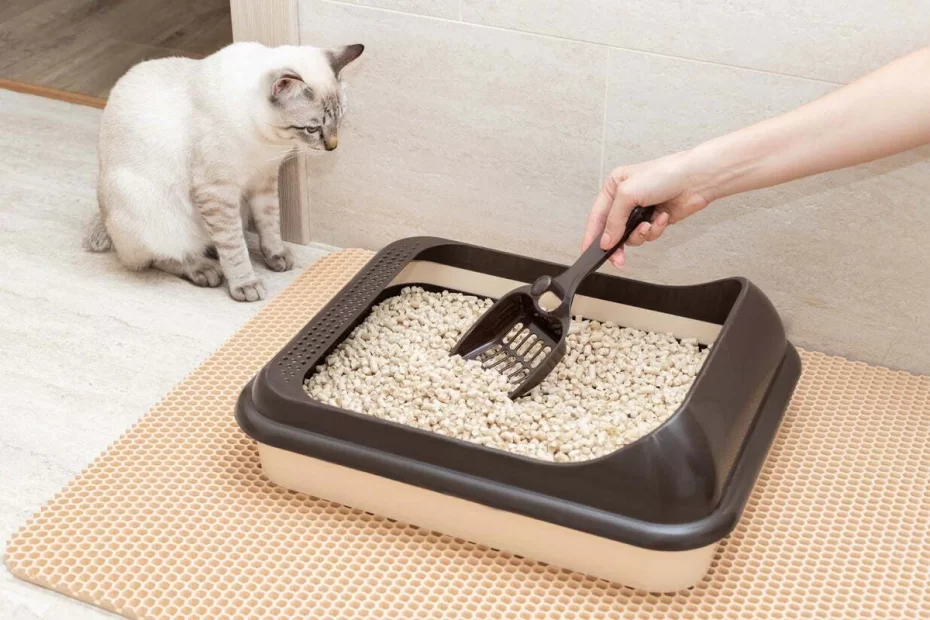
Cleaning a litter box the proper way keeps your cat healthier, reduces odors, and prevents behavioral issues. Here’s the best method recommended by vets and animal behaviorists:
🧹 1. Scoop Daily (At Least Once a Day)
Use a sturdy scoop to remove:
- All solid clumps
- All urine clumps
- Any wet spots stuck to the sides or bottom
Daily scooping keeps the box fresh and encourages your cat to keep using it.
🧼 2. Wash the Litter Box Weekly
Once a week (or every 2 weeks if using non-clumping litter):
Empty the entire box
Dump all the litter into a trash bag.
Wash with mild soap and warm water
Avoid harsh cleaners like bleach or ammonia — cats hate the smell and may avoid the box afterward.
Use:
- Unscented dish soap
- Warm water
- A dedicated sponge or brush
Scrub the inside thoroughly, especially the corners.
Rinse and dry completely
Leftover soap or moisture can cause litter to stick or irritate your cat’s paws.
🪣 3. Refill With Fresh Litter
Add 2–3 inches of clean litter (or 3–4 inches for cats who dig deeply).
Cats prefer enough depth to bury waste comfortably.
Avoid scented litters — many cats find them overwhelming.
🧽 4. Clean the Area Around the Box
Vacuum or sweep litter tracked around the box.
Wipe down nearby walls or mats if needed.
A clean environment keeps odors under control and reduces bacteria.
🐱 Bonus Tips
- Replace plastic litter boxes every 6–12 months because scratches trap odor.
- Provide one box per cat + one extra to prevent stress.
- If your home smells like litter, the box needs more frequent cleaning or more boxes.