🌵 When to Plant Desert Plants: A Seasonal Guide for Thriving Landscapes
Planting in the desert isn’t about guessing — timing is everything. In hot, arid climates like Southern Nevada and much of the Southwest, choosing the right season to plant can mean the difference between a thriving landscape and one that struggles or fails altogether. Desert plants are tough, but even drought-tolerant species need the proper conditions to establish healthy root systems and survive extreme temperatures.
In this guide, we’ll explore when to plant common desert plants, how seasonal changes affect plant success, and how homeowners can create landscapes that flourish year-round in desert climates.
🌞 Understanding Desert Growing Conditions
Before choosing planting dates, it’s important to understand the environment desert plants face.
Desert regions experience:
- Extremely hot summers with temperatures regularly above 100°F
- Cool winters with occasional frost
- Low annual rainfall
- High evaporation rates and intense sunlight
Because of these conditions, newly planted vegetation is most vulnerable to heat stress and dehydration. The goal is to plant during times when temperatures are mild enough for roots to establish before facing extreme heat or cold.
For most desert climates, fall and early spring are the ideal planting seasons.
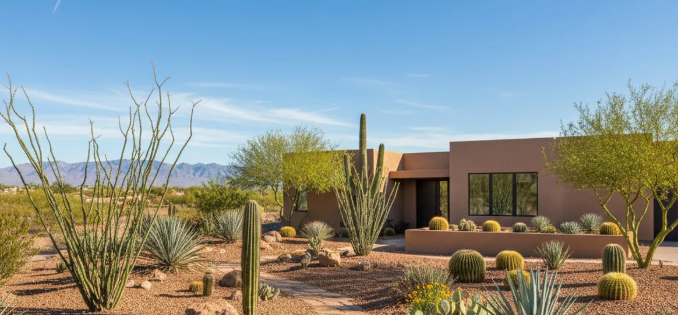
🍂 Fall: The Best Time to Plant Most Desert Plants
If there is one season that stands out as the best time to plant desert landscapes, it’s fall.
From late September through November, temperatures begin to cool while soil remains warm from summer heat. This combination creates the perfect environment for root development.
Why Fall Planting Works So Well
- Cooler air reduces stress on new plants
- Warm soil encourages strong root growth
- Plants establish before winter dormancy
- Root systems are better prepared for summer heat
By the time summer arrives, fall-planted trees and shrubs are already established and better equipped to handle intense temperatures.
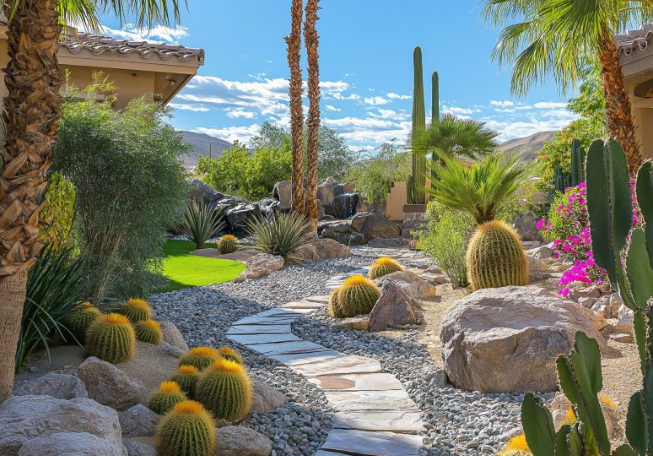
What to Plant in Fall
Desert Trees
Fall is ideal for planting most desert trees, including:
- Palo Verde
- Mesquite
- Desert Willow
- Acacia
These trees benefit from months of root development before facing extreme heat.
Shrubs and Hedges
Many shrubs thrive when planted in fall, such as:
- Texas Ranger
- Brittlebush
- Creosote
- Hopseed Bush
Perennials and Groundcovers
- Lantana
- Penstemon
- Verbena
- Trailing rosemary
These plants establish faster when given cooler conditions and consistent fall watering.
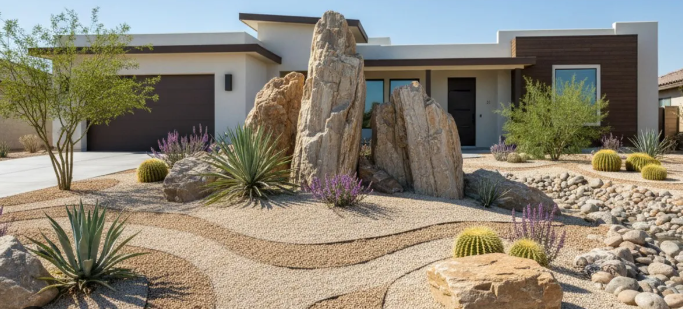
🌸 Spring: A Good Secondary Planting Season
Spring is another popular time for planting desert landscapes, particularly from February through early April. During this time, temperatures are warming but not yet extreme, and the risk of frost is decreasing.
Spring planting can be successful, but it requires careful planning. Plants installed too late in spring may not have enough time to establish before summer heat arrives.
What to Plant in Spring
Flowering Perennials
Spring is excellent for planting colorful desert flowers such as:
- Desert marigold
- Blackfoot daisy
- Angelita daisy
- Red yucca
These plants take advantage of warming soil and longer daylight hours.
Succulents and Cacti
Many succulents and cacti respond well to spring planting, including:
- Barrel cactus
- Prickly pear
- Agave
- Aloe
Spring planting allows these plants to settle in before peak summer temperatures, but they should be planted early in the season rather than late.
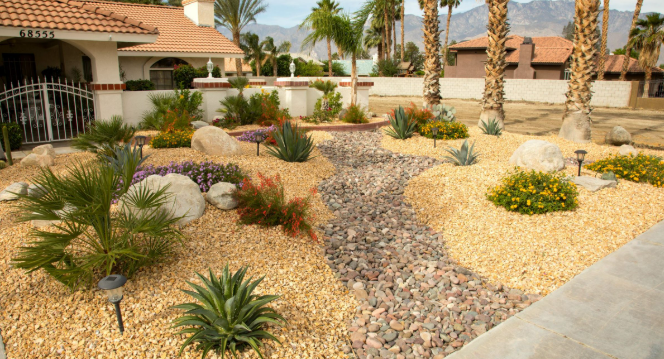
🔥 Summer: The Most Challenging Season
Summer planting in the desert is possible, but it’s also the riskiest time to install new plants.
From June through August, desert regions experience:
- Extreme heat
- High evaporation rates
- Increased water demands
- Greater transplant shock
Newly planted vegetation struggles to retain moisture, and roots often cannot grow fast enough to support the top of the plant.
When Summer Planting Makes Sense
Sometimes planting in summer is unavoidable — such as when finishing construction projects or replacing damaged plants. If planting during summer, special care is essential.
Best summer planting candidates include:
- Native desert trees
- Heat-loving shrubs
- Certain cacti and succulents
Extra watering, shade protection, and careful monitoring are required during the first several months.
❄️ Winter: A Quiet but Strategic Season
Winter is often overlooked, but it can be an excellent time to plant certain desert plants, especially from December through January, as long as freezing temperatures are limited.
While above-ground growth slows, root systems can continue developing slowly beneath the soil.
What to Plant in Winter
Bare-Root Trees and Shrubs
Winter is a traditional planting time for bare-root varieties of:
- Fruit trees
- Shade trees
- Ornamental shrubs
Cold-Hardy Desert Plants
Some desert plants tolerate light frost and benefit from winter planting:
- Red yucca
- Texas sage
- Desert spoon
- Ocotillo (during dormancy)
Winter planting allows roots to settle before spring growth begins.
🌵 Planting by Plant Type
Different desert plants have different seasonal preferences. Here’s a helpful breakdown.
🌳 Trees
Best time: Fall
Second best: Early spring
Trees benefit greatly from fall planting because their large root systems need time to establish. Avoid planting trees in mid-summer whenever possible.
🌿 Shrubs
Best time: Fall and spring
Shrubs establish fairly quickly but still need mild temperatures. Avoid planting during peak heat or hard freezes.
🌸 Perennials
Best time: Early spring or fall
Flowering perennials respond well to planting when temperatures are moderate. Spring planting encourages blooms during the growing season.
🌵 Cacti and Succulents
Best time: Spring and early summer
Many cacti and succulents prefer warm soil and active growing conditions. Avoid winter planting for frost-sensitive species.
🌱 Groundcovers and Grasses
Best time: Spring or fall
Ornamental grasses and spreading groundcovers establish best with moderate temperatures and consistent moisture.
💧 Watering After Planting
No matter the season, proper watering is critical for new desert plants.
General tips include:
- Water deeply and slowly to encourage root growth
- Use drip irrigation rather than overhead sprinklers
- Adjust watering frequency based on temperature and plant type
- Reduce watering gradually as plants establish
Overwatering can be just as damaging as underwatering, especially for cacti and succulents.
🧠 Common Planting Mistakes to Avoid
Even with proper timing, mistakes can limit plant success.
Avoid these common errors:
- Planting too deep or too shallow
- Using non-native plants that require excessive water
- Overwatering newly installed desert plants
- Planting heat-sensitive plants too late in spring
- Skipping mulch or rock cover, which helps retain moisture
🌿 Planning for Year-Round Success
A successful desert landscape is not planted all at once. Many professional landscapers stagger planting throughout the year, choosing the right species for each season.
By planning your landscape with seasonal timing in mind, you create:
- Healthier plants
- Lower water usage
- Reduced replacement costs
- A more attractive and sustainable yard
🌵 Conclusion
Knowing when to plant desert plants is one of the most important steps in creating a successful landscape in arid climates. While fall remains the ideal season for most trees and shrubs, spring, winter, and even summer each have their place when approached carefully.
By matching each plant type to the right season and providing proper watering and care, homeowners can enjoy a thriving desert garden that is beautiful, sustainable, and built to last.