Vegas Planting Zone guide
Gardening in Southern Nevada comes with unique challenges and opportunities. The Las Vegas area falls primarily within USDA Hardiness Zones 9a and 9b, meaning average winter low temperatures range from 20°F to 30°F. While this classification indicates relatively mild winters, the region’s intense summer heat, low humidity, and alkaline soil make desert gardening very different from planting in other parts of the country.
Knowing your planting zone is essential because it helps you select plants that can survive local temperature extremes and thrive in the Mojave Desert climate. With the right approach, homeowners can create beautiful, water-efficient landscapes that complement the natural environment.
What the Planting Zone Means for Gardeners
Being in Zones 9a–9b means Las Vegas gardeners enjoy a long growing season. Frost typically occurs between mid-December and early February, giving you extended opportunities for planting compared to colder climates. However, the extreme summer heat—often exceeding 110°F—can stress plants that aren’t adapted to desert conditions.
This climate makes Las Vegas ideal for:
- Drought-tolerant perennials
- Cacti and succulents
- Desert-adapted trees and shrubs
- Cool-season vegetables in winter
Understanding these seasonal patterns helps homeowners plan their planting calendar for maximum success.
Seasonal Planting Guidelines
Spring (March–May):
Spring is one of the best times to plant in Las Vegas. Temperatures are warm but not yet extreme, allowing roots to establish before summer. This is an excellent time for planting desert trees, shrubs, succulents, and warm-season vegetables.
Summer (June–August):
Planting during peak summer is challenging due to intense heat. If planting is necessary, choose heat-tolerant species and provide shade and extra water during establishment. Container plants often struggle unless carefully monitored.
Fall (September–November):
Fall is another ideal planting window. Soil remains warm, encouraging root growth, while cooler air temperatures reduce plant stress. Many desert plants, including cacti and agave, establish well during this period.
Winter (December–February):
While freezes are rare, winter is best for cool-season vegetables like lettuce, spinach, and carrots. Avoid planting frost-sensitive plants during this time.
Choosing Plants for the Las Vegas Zone
Selecting plants suited to Zones 9a–9b and desert conditions is key to long-term success. Native and desert-adapted plants require less water, tolerate poor soils, and withstand temperature extremes.
Popular choices include:
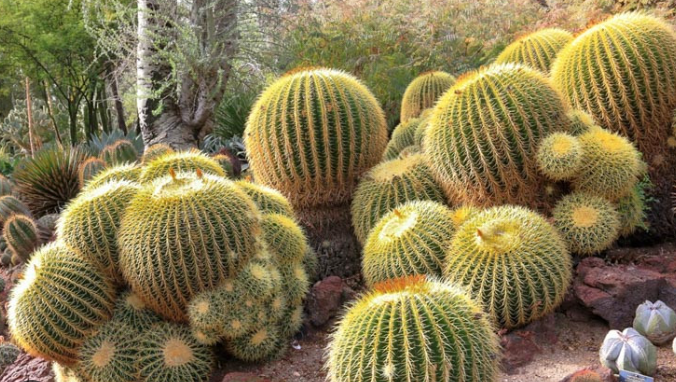
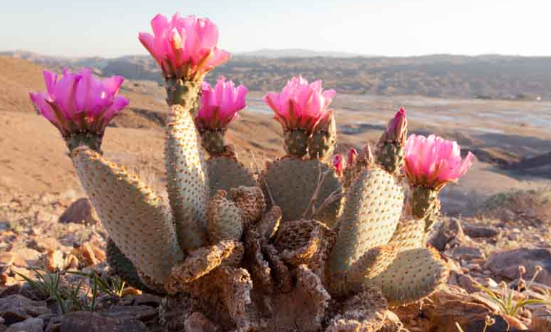
- Cactus varieties (barrel cactus, prickly pear)
- Agave and yucca
- Desert marigold
- Texas ranger (Leucophyllum)
- Palo verde and mesquite trees
These plants not only survive but thrive in Las Vegas landscapes, reducing maintenance and water use.
Soil and Water Considerations
Las Vegas soils are typically alkaline and low in organic matter. Amending soil with compost can improve structure and nutrient availability for certain plants. However, many desert species prefer native soil conditions and may suffer in overly rich soil.
Watering practices are equally important. Deep, infrequent watering encourages deep root growth and drought resilience. Overwatering is a common mistake and can lead to root rot, especially for succulents and cacti.
Benefits of Gardening Within Your Zone
Designing a landscape around the Las Vegas planting zone offers several advantages:
- Water efficiency: Desert-adapted plants require significantly less irrigation.
- Lower maintenance: Plants suited to the climate need less pruning, fertilizing, and care.
- Environmental benefits: Native and drought-tolerant plants support local ecosystems.
- Cost savings: Reduced water use can lower utility bills and may qualify for local rebate programs.
Creating a Thriving Desert Landscape
Successful gardening in Las Vegas is about working with the environment rather than against it. By understanding the local planting zone, choosing climate-appropriate plants, and following seasonal planting guidelines, homeowners can cultivate landscapes that are both beautiful and sustainable.
Whether you’re planning a full desert landscape conversion or simply adding a few drought-tolerant plants, using the Las Vegas planting zone as your guide ensures long-term success. With thoughtful planning and the right plant choices, your yard can flourish year-round—even in the heart of the Mojave Desert.
Understanding the Las Vegas Planting Zone
Gardening in Southern Nevada comes with unique challenges and opportunities. The Las Vegas area falls primarily within USDA Hardiness Zones 9a and 9b, meaning average winter low temperatures range from 20°F to 30°F. While this classification indicates relatively mild winters, the region’s intense summer heat, low humidity, and alkaline soil make desert gardening very different from planting in other parts of the country.
Knowing your planting zone is essential because it helps you select plants that can survive local temperature extremes and thrive in the Mojave Desert climate. With the right approach, homeowners can create beautiful, water-efficient landscapes that complement the natural environment.
What the Planting Zone Means for Gardeners
Being in Zones 9a–9b means Las Vegas gardeners enjoy a long growing season. Frost typically occurs between mid-December and early February, giving you extended opportunities for planting compared to colder climates. However, the extreme summer heat—often exceeding 110°F—can stress plants that aren’t adapted to desert conditions.
This climate makes Las Vegas ideal for:
- Drought-tolerant perennials
- Cacti and succulents
- Desert-adapted trees and shrubs
- Cool-season vegetables in winter
Understanding these seasonal patterns helps homeowners plan their planting calendar for maximum success.
Seasonal Planting Guidelines
Spring (March–May):
Spring is one of the best times to plant in Las Vegas. Temperatures are warm but not yet extreme, allowing roots to establish before summer. This is an excellent time for planting desert trees, shrubs, succulents, and warm-season vegetables.
Summer (June–August):
Planting during peak summer is challenging due to intense heat. If planting is necessary, choose heat-tolerant species and provide shade and extra water during establishment. Container plants often struggle unless carefully monitored.
Fall (September–November):
Fall is another ideal planting window. Soil remains warm, encouraging root growth, while cooler air temperatures reduce plant stress. Many desert plants, including cacti and agave, establish well during this period.
Winter (December–February):
While freezes are rare, winter is best for cool-season vegetables like lettuce, spinach, and carrots. Avoid planting frost-sensitive plants during this time.
Choosing Plants for the Las Vegas Zone
Selecting plants suited to Zones 9a–9b and desert conditions is key to long-term success. Native and desert-adapted plants require less water, tolerate poor soils, and withstand temperature extremes.
Popular choices include:
- Cactus varieties (barrel cactus, prickly pear)
- Agave and yucca
- Desert marigold
- Texas ranger (Leucophyllum)
- Palo verde and mesquite trees
These plants not only survive but thrive in Las Vegas landscapes, reducing maintenance and water use.
Soil and Water Considerations
Las Vegas soils are typically alkaline and low in organic matter. Amending soil with compost can improve structure and nutrient availability for certain plants. However, many desert species prefer native soil conditions and may suffer in overly rich soil.
Watering practices are equally important. Deep, infrequent watering encourages deep root growth and drought resilience. Overwatering is a common mistake and can lead to root rot, especially for succulents and cacti.
Benefits of Gardening Within Your Zone
Designing a landscape around the Las Vegas planting zone offers several advantages:
- Water efficiency: Desert-adapted plants require significantly less irrigation.
- Lower maintenance: Plants suited to the climate need less pruning, fertilizing, and care.
- Environmental benefits: Native and drought-tolerant plants support local ecosystems.
- Cost savings: Reduced water use can lower utility bills and may qualify for local rebate programs.
Creating a Thriving Desert Landscape
Successful gardening in Las Vegas is about working with the environment rather than against it. By understanding the local planting zone, choosing climate-appropriate plants, and following seasonal planting guidelines, homeowners can cultivate landscapes that are both beautiful and sustainable.
Whether you’re planning a full desert landscape conversion or simply adding a few drought-tolerant plants, using the Las Vegas planting zone as your guide ensures long-term success. With thoughtful planning and the right plant choices, your yard can flourish year-round—even in the heart of the Mojave Desert.