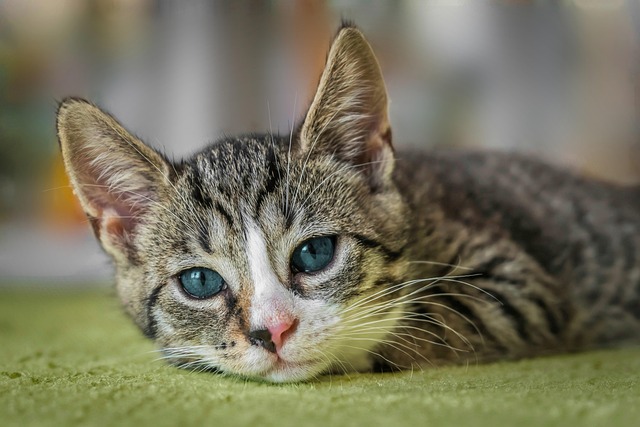
Cats can get sunburn, especially if they have light-colored fur, thin coats, or exposed skin. Just like people, too much sun can damage a cat’s skin and even increase the risk of skin cancer (particularly squamous cell carcinoma).
🐾 Which Cats Are Most at Risk?
- White or light-colored cats (e.g., white ears, nose, or eyelids)
- Hairless breeds (like Sphynx cats)
- Cats with thin or patchy fur (from age, medical issues, or shaving)
- Outdoor cats who nap in sunny spots for long periods
☀️ Common Areas Cats Get Sunburned
- Ears (especially tips)
- Nose and around the mouth
- Eyelids
- Belly (if they lie on their back in the sun)
⚠️ Signs of Sunburn in Cats
- Red or pink skin
- Dry, scaly, or flaky patches
- Blisters or sores in severe cases
- Scabs or wounds that don’t heal (can be early signs of cancer)
✅ How to Protect Cats from Sunburn
- Limit midday sun: Keep cats indoors between 10 AM – 4 PM when UV rays are strongest.
- Use pet-safe sunscreen: Only special cat-safe sunscreen (never human sunscreen—zinc oxide & salicylates are toxic to cats).
- Provide shade: Outdoor enclosures (“catios”) should have shaded areas.
- Protective clothing: Light, breathable pet shirts can help hairless or thin-coated cats.
🐱 Bottom line: Cats can get sunburn, and repeated exposure can lead to serious skin problems. Prevention is key—especially for white or hairless cats that love basking.