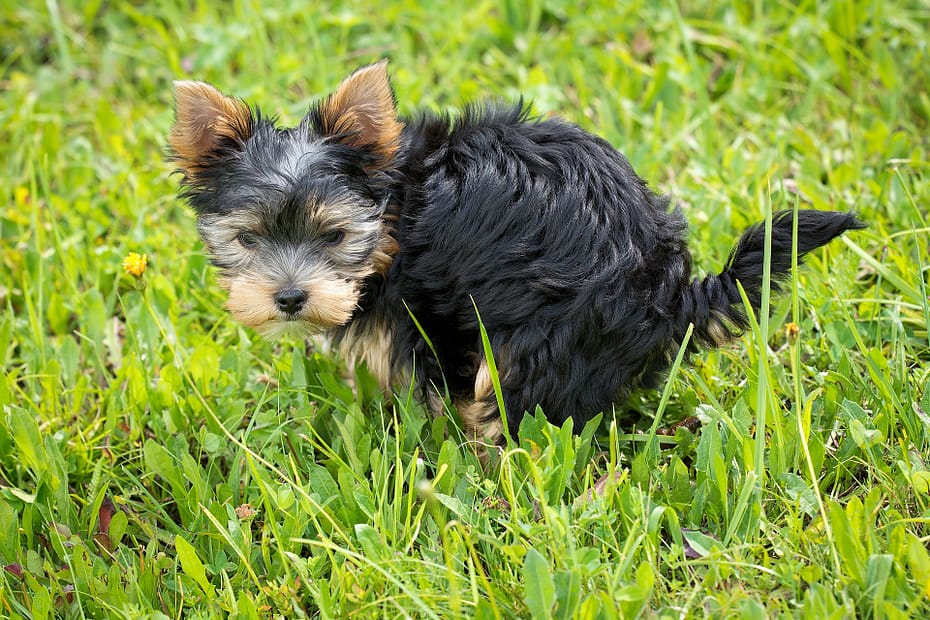
The color of a dog’s poop can tell you a lot about their health. While normal, healthy dog poop is usually chocolate brown, any changes in color could indicate a diet change, a minor issue, or something more serious. Here’s a quick guide to what different poop colors might mean:
???? Brown (Normal)
- What it means: Everything’s working as it should.
- Why: Brown poop is due to bile being digested properly.
???? Green
- Possible causes:
- Eating lots of grass
- Intestinal parasites
- Gallbladder issues
- When to worry: If it’s persistent or accompanied by diarrhea, lethargy, or vomiting.
???? Red or Streaks of Blood
- Possible causes:
- Small tears (from straining)
- Colitis
- Anal gland issues
- Infections
- When to worry: Bright red blood should be checked by a vet, especially if it happens more than once.
⚫ Black or Tarry
- Possible causes:
- Bleeding in the stomach or small intestine
- Ulcers
- Certain medications (like iron or Pepto-Bismol)
- When to worry: Always. Black, tarry stool often indicates internal bleeding—call your vet.
???? Yellow or Orange
- Possible causes:
- Bile issues
- Liver or gallbladder problems
- Food intolerances
- When to worry: If the color persists for more than a day or two or is paired with other symptoms.
⚪ White or Gray
- Possible causes:
- Diets high in calcium (e.g., raw bones)
- Liver or pancreatic problems
- Lack of bile
- When to worry: Chalky white stool or grayish poop should be evaluated by a vet.
???? Multicolored or Speckled
- Possible causes:
- Undigested food
- Foreign objects (plastic, fabric, etc.)
- When to worry: If your dog is eating non-food items or you see worms, call your vet.
???? Bottom Line
Occasional changes in poop color may not be alarming, especially if your dog is acting normally. But if you see consistent abnormal colors, blood, mucus, or notice changes in behavior, appetite, or energy, it’s best to contact your veterinarian. Keeping an eye on your dog’s poop is an easy way to monitor their overall health.