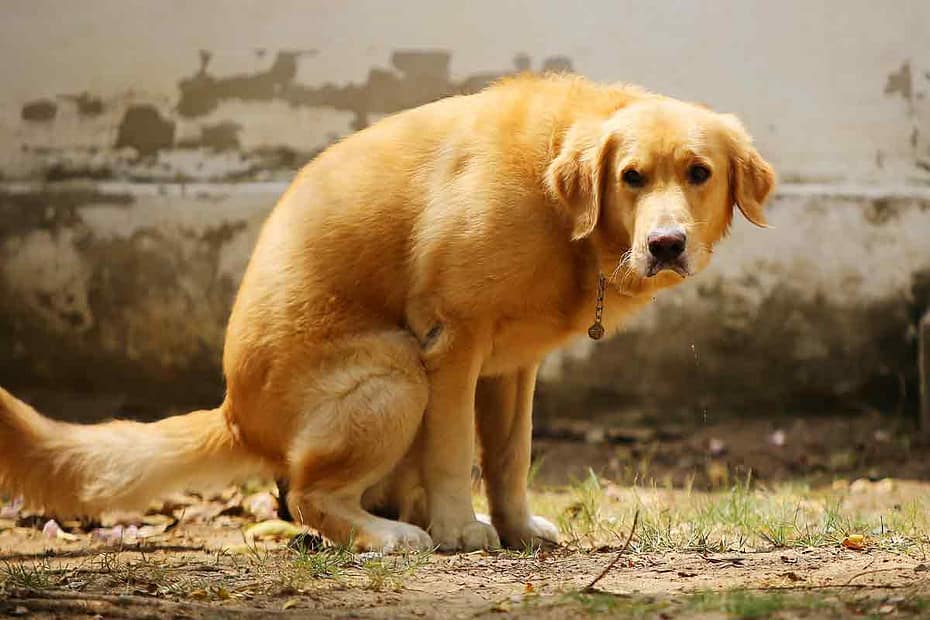
Dog poop color can tell you a lot about your dog’s health. While healthy stool is typically chocolate brown, other colors may indicate dietary issues, stress, or underlying health problems. Here’s a breakdown of what different poop colors might mean:
1. Brown (Normal)
- What it means: This is the ideal color—well-formed, medium to dark brown.
- Why it happens: Bile produced in the liver helps digest food and gives stool its brown color. This means digestion is working properly.
2. Black or Very Dark Brown
- What it may indicate: Blood in the upper gastrointestinal (GI) tract (called melena).
- Possible causes: Ulcers, ingestion of blood, or internal bleeding. Can also result from eating dark foods or taking iron supplements.
- What to do: See a vet immediately, especially if it’s tar-like or has a foul odor.
3. Red or Streaked with Blood
- What it may indicate: Bleeding in the lower GI tract, like the colon or rectum.
- Possible causes: Anal gland issues, parasites, rectal injury, or serious infection.
- What to do: Consult your vet, especially if it happens more than once.
4. Yellow or Orange
- What it may indicate: Issues with the liver, gallbladder, or pancreas.
- Possible causes: Food intolerance, changes in diet, or liver dysfunction.
- What to do: Monitor for other symptoms like vomiting or loss of appetite, and contact your vet.
5. Green
- What it may indicate: Eating large amounts of grass or a gallbladder issue.
- Possible causes: GI upset or rapid transit through the digestive tract.
- What to do: If it continues or is paired with diarrhea or lethargy, call your vet.
6. White or Gray
- What it may indicate: Liver, bile duct, or pancreatic issues.
- Possible causes: Lack of bile production or too much calcium in the diet (especially from raw bones).
- What to do: Call your vet if it’s persistent—especially if the stool is greasy or chalky.
7. Mucus-Coated
- What it may indicate: Inflammation in the intestines.
- Possible causes: Stress, parasites, dietary changes, or colitis.
- What to do: Occasional mucus is okay, but if it’s frequent or accompanied by other symptoms, consult a vet.
If your dog’s poop color changes suddenly and stays abnormal for more than a day or two—especially with other symptoms like vomiting, lethargy, or loss of appetite—it’s best to contact a veterinarian. Regular monitoring of your dog’s stool is a simple but powerful way to stay on top of their health.
We make sure to point out any inconsistencies with your pups poo notifying our clients right away of any changes in color or consistency.