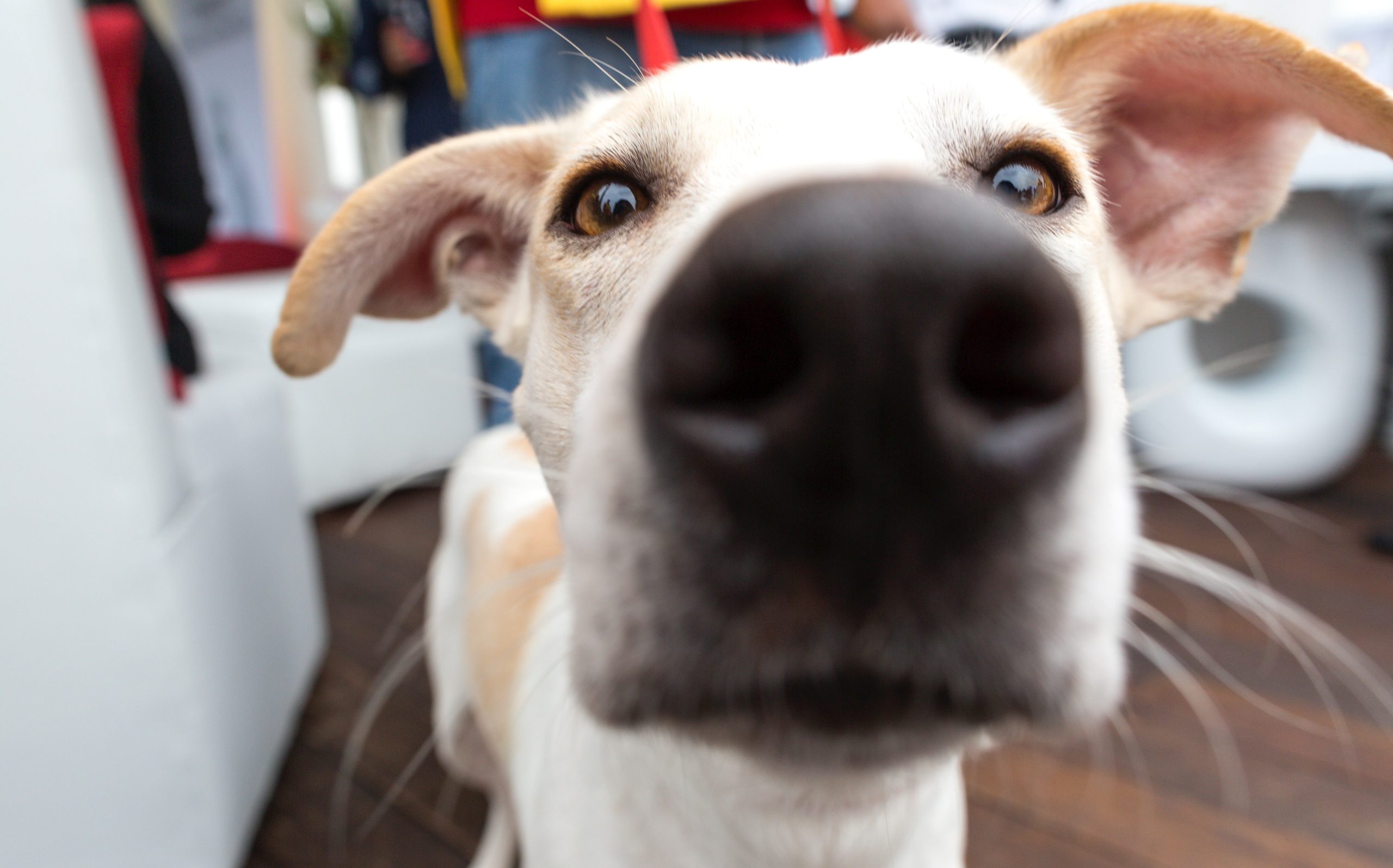
Dogs’ noses are incredibly powerful biological tools, built to detect scents at levels far beyond human capability. Here’s a breakdown of how they work and why they’re so impressive:
???? How Dogs’ Noses Work
1. Split Airflow System
1. Split Airflow System
When a dog sniffs:
- Part of the air goes to the lungs for breathing.
- The other part goes to a special area in the nose called the olfactory region — the scent detection center.
This means they can sniff and breathe at the same time, unlike humans.
2. Olfactory Receptors
2. Olfactory Receptors
- Humans: ~5 million scent receptors
- Dogs: Up to 300 million (varies by breed)
- Example: Bloodhounds have the most — great for tracking.
- The part of a dog’s brain devoted to analyzing smells is about 40x larger than a human’s (proportionally).
3. Jacobsen’s Organ (Vomeronasal Organ)
3. Jacobsen’s Organ (Vomeronasal Organ)
- Located in the roof of the mouth.
- Detects pheromones — chemicals that carry social and mating info.
- Helps dogs read emotions, stress, or even illness in people or animals.
???? How Powerful Is a Dog’s Nose?
- Dogs can detect some odors in parts per trillion.
(That’s like finding one drop of liquid in 20 Olympic-sized pools.) - They can smell things weeks or months later — like old footprints or buried bones.
- Dogs can identify:
- Drugs and explosives
- Cancer cells
- Changes in blood sugar (diabetes alerts)
- Seizure precursors
- Emotions like fear or stress
???? Super Sniffers: Breeds with the Strongest Noses
- Bloodhound
- German Shepherd
- Beagle
- Belgian Malinois
- Labrador Retriever
These breeds are often used in law enforcement, search and rescue, and medical detection roles.
???? Fun Fact:
Dogs’ noses are wet on purpose — the moisture helps capture scent particles in the air and improves accuracy.
In short: a dog’s nose is a high-powered chemical detection device that can pick up scents with accuracy humans can’t even begin to comprehend. It’s one of their most remarkable — and essential — senses.