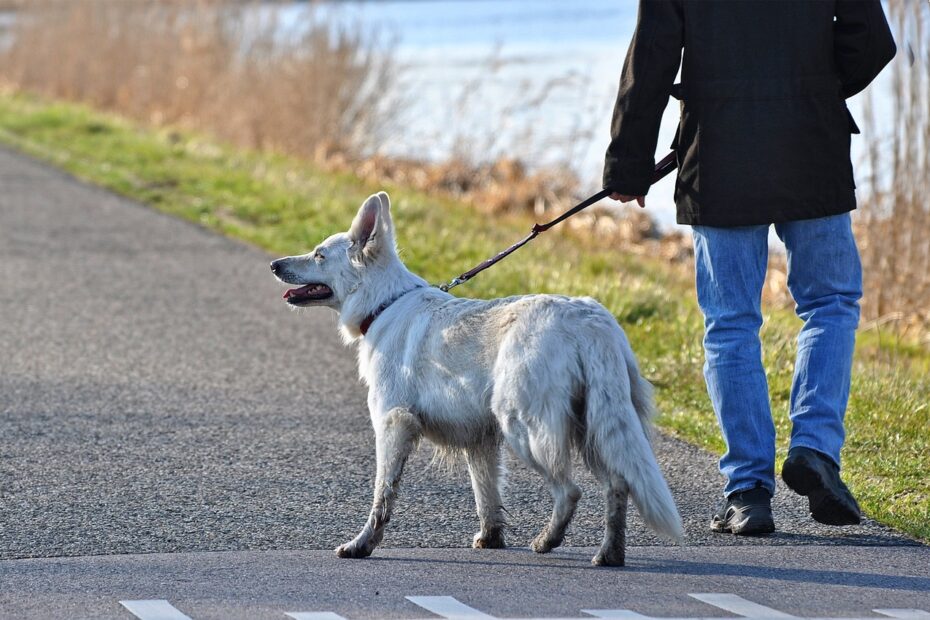
How Hot Is Too Hot for Dog Paws? Understanding Pavement Temperatures, Burn Risks, and How to Protect Your Dog’s Paw Pads
A dog’s paw pads may look tough, but they are still vulnerable to extreme heat. During hot weather, surfaces like asphalt, concrete, artificial turf, pavers, and even sand can become dangerously hot very quickly. In places like Las Vegas, Phoenix, and other desert climates, pavement temperatures can easily exceed levels capable of causing serious burns in a matter of seconds.
Many pet owners are surprised to learn that the air temperature outside does not accurately reflect how hot the ground actually becomes. Even when the weather feels manageable to humans, surfaces exposed to direct sunlight may become hot enough to injure a dog’s feet almost instantly.
Understanding how heat affects dogs’ paws, how to recognize signs of burned paw pads, and how to prevent injuries can help pet owners keep their dogs safer during hot weather.
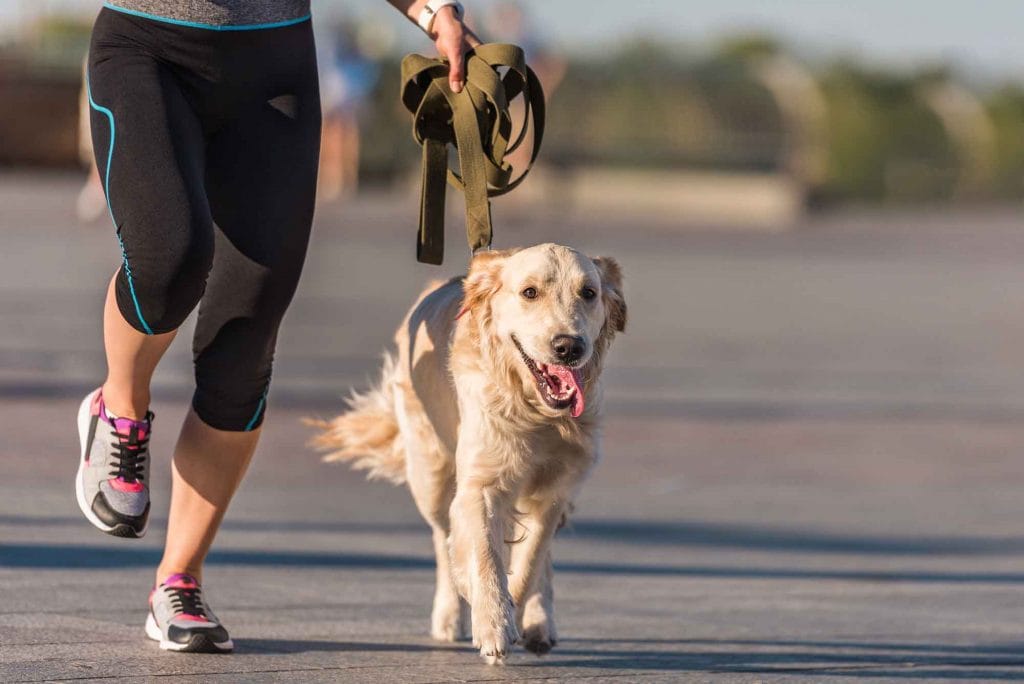
Dog walking Las Vegas
Why Dog Paw Pads Are Sensitive to Heat
How hot is too hot for dogs paws?
Dog paw pads are designed to help dogs walk across a variety of surfaces. Paw pads provide:
- Cushioning
- Traction
- Shock absorption
- Protection from rough terrain
While paw pads are tougher than human skin, they are not immune to heat damage.
Paw pads contain sensitive tissue beneath the outer layer. Extreme surface temperatures can quickly cause:
- Burns
- Blistering
- Cracking
- Peeling
- Painful irritation
Unlike humans, dogs cannot verbally communicate discomfort immediately. Many dogs continue walking even while suffering injuries, which can worsen the damage significantly.

Air Temperature vs. Ground Temperature
How hot is too hot for dogs paws?
One of the biggest misconceptions among pet owners is assuming pavement temperature matches air temperature.
In reality, pavement absorbs and retains heat extremely efficiently.
When exposed to direct sunlight, surfaces like:
- Asphalt
- Concrete
- Artificial turf
- Pavers
- Sand
can become dramatically hotter than the surrounding air.
For example:
- An air temperature of 85°F may produce asphalt temperatures over 130°F
- At 95°F outside, pavement may exceed 150°F
- Artificial turf can become even hotter than asphalt in direct sunlight
These temperatures can easily burn dog paws within seconds.
Asphalt Is Especially Dangerous
Asphalt is one of the hottest surfaces for dogs during warm weather.
Dark asphalt absorbs sunlight rapidly and retains heat throughout the day.
In desert climates, asphalt parking lots and streets can become dangerously hot by late morning.
Even during evenings, asphalt may remain extremely warm long after air temperatures begin cooling down.
Many paw injuries occur because owners assume nighttime walks are automatically safe, when the pavement may still hold substantial heat from earlier in the day.
Concrete Can Also Cause Burns
How hot is too hot for dogs paws?
Concrete generally reflects more heat than asphalt, but it can still become dangerously hot during summer.
Sidewalks, patios, driveways, and pool decks exposed to direct sunlight may all create burn risks for dogs.
Concrete is especially problematic because:
- Dogs encounter it constantly during walks
- It covers large areas
- It may remain hot for hours
Pet owners should never assume concrete is automatically safer simply because it appears lighter in color.
Artificial Turf Gets Extremely Hot
Artificial turf has become increasingly popular in places like Las Vegas because it:
- Conserves water
- Requires less maintenance
- Stays green year-round
However, synthetic grass can become extremely hot under direct sunlight.
Some artificial turf surfaces may exceed:
- 150°F
- 160°F
- Even higher during extreme heat conditions
This creates serious risks for dogs spending time outdoors.
Pet owners often notice:
- Dogs avoiding turf areas
- Rapid paw lifting
- Refusal to walk
- Excessive panting
during hot afternoons.
Pavers and Stone Surfaces Also Retain Heat
How hot is too hot for dogs paws?
Decorative pavers, stone walkways, and poolside surfaces may look beautiful, but they can also retain dangerous levels of heat.
Stone materials absorb solar heat throughout the day and may become painful for dogs to walk on barefoot.
Dark-colored pavers are particularly problematic because they absorb more sunlight.
How Hot Is Too Hot for Dog Paws?
- Pavement temperatures above 125°F can burn paw pads
- Temperatures above 140°F can cause injuries very quickly
- Surface temperatures above 150°F may cause burns within seconds
Unfortunately, these temperatures occur more often than many people realize.
A good rule of thumb:
If the pavement feels too hot for your bare hand, it is likely too hot for your dog.
The Seven-Second Rule
How hot is too hot for dogs paws?
Many veterinarians recommend the “seven-second test.”
Place the back of your hand on the pavement for seven seconds.
If you cannot comfortably keep your hand there, the surface is too hot for your dog’s paws.
This simple test can help prevent serious injuries before walks begin.
Signs Your Dog’s Paws Are Too Hot
Dogs often show warning signs when surfaces become uncomfortable.
Watch for:
- Limping
- Paw lifting
- Refusing to walk
- Pulling toward shade
- Excessive panting
- Licking paws
- Slowing down suddenly
These behaviors may indicate the ground is becoming too hot.
Pet owners should respond immediately rather than assuming the dog is simply tired.
Symptoms of Burned Paw Pads
How hot is too hot for dogs paws?
Burned paw pads can range from mild irritation to severe tissue damage.
Common symptoms include:
- Redness
- Swelling
- Blistering
- Peeling skin
- Cracked pads
- Limping
- Bleeding
- Excessive licking
In severe cases, dogs may refuse to walk entirely due to pain.
Burned paws are extremely uncomfortable and may require veterinary treatment.
Why Dogs Sometimes Keep Walking Anyway
Many dogs continue walking even when injured because:
- They trust their owner’s direction
- Excitement overrides discomfort initially
- Adrenaline masks pain temporarily
This often causes injuries to worsen before owners realize a problem exists.
Some dogs may not visibly react until after the walk ends.
Puppies and Senior Dogs Are More Vulnerable
How hot is too hot for dogs paws?
Certain dogs are more sensitive to heat exposure than others.
Puppies have softer, less-developed paw pads.
Senior dogs may:
- Heal more slowly
- Have thinner skin
- Struggle more with heat tolerance
Dogs with medical conditions may also face increased risk during hot weather.
Desert Climates Create Extreme Risks
Cities like:
- Las Vegas
- Phoenix
- Palm Springs
create especially dangerous conditions for dogs because surfaces heat rapidly under intense desert sun.
Even mornings can become risky during peak summer months.
Midday walks in desert climates can quickly become dangerous for both paws and overall heat exposure.
Best Times to Walk Dogs During Summer
How hot is too hot for dogs paws?
To reduce paw burn risk, dog walks should ideally happen:
- Early morning
- After sunset
- During cooler nighttime hours
Avoid:
- Midday walks
- Afternoon pavement exposure
- Long walks on exposed asphalt
Shaded areas and grassy spaces are typically safer during hot weather.
Grass Is Usually Cooler
Natural grass generally remains cooler than:
- Asphalt
- Concrete
- Turf
- Stone surfaces
Whenever possible, allow dogs to walk on grass during hot days.
Parks and shaded grassy areas often provide safer walking conditions.
Dog Shoes and Paw Protection
Some pet owners use dog booties or paw protection products during hot weather.
Protective footwear can help shield paws from:
- Heat
- Rough terrain
- Sharp surfaces
However, not all dogs tolerate shoes comfortably.
Owners should:
- Introduce them gradually
- Ensure proper fit
- Monitor for discomfort
Hydration Matters Too
How hot is too hot for dogs paws?
Hot pavement usually coincides with dangerous overall heat exposure.
Dogs walking on hot surfaces may also face:
- Dehydration
- Heat exhaustion
- Overheating
Always bring water during walks in warm weather.
Watch for signs of heat stress including:
- Excessive panting
- Drooling
- Weakness
- Confusion
Pool Decks Can Burn Paws Too
Many homeowners assume pool areas are automatically safe because water is nearby.
However, pool decks often become extremely hot under direct sunlight.
Materials like:
- Concrete
- Stone
- Travertine
- Pavers
may still burn paws during summer afternoons.
Dogs running around pools may injure themselves quickly if surfaces are overheated.
Artificial Turf Requires Extra Caution
How hot is too hot for dogs paws?
Artificial turf deserves special attention because many pet owners mistakenly assume it stays cool like natural grass.
In reality, synthetic turf can become one of the hottest outdoor surfaces.
Some homeowners cool turf temporarily using:
- Water spraying
- Shade structures
- Covered patios
However, turf temperatures can rise again very quickly in direct sunlight.
How to Treat Mild Paw Burns
If mild irritation occurs:
- Move the dog off hot surfaces immediately
- Rinse paws with cool water
- Avoid ice directly on paws
- Prevent excessive licking
- Limit activity temporarily
For more serious injuries, veterinary care is important.
Severe Burns Need Veterinary Attention
How hot is too hot for dogs paws?
Dogs showing:
- Blistering
- Bleeding
- Severe limping
- Missing skin
- Extreme pain
should be evaluated by a veterinarian.
Severe burns may require:
- Antibiotics
- Bandaging
- Pain medication
- Infection prevention
Untreated paw injuries can worsen significantly.
Prevention Is Always Best
Paw burns are largely preventable with proper awareness.
Simple precautions include:
- Checking pavement temperature
- Walking during cooler hours
- Using shaded routes
- Monitoring dog behavior
- Limiting hot surface exposure
Small adjustments can dramatically reduce risk.
Indoor Enrichment Helps During Extreme Heat
How hot is too hot for dogs paws?
During dangerous heat waves, outdoor activity may need to be limited entirely.
Indoor enrichment can help dogs stay active safely through:
- Puzzle toys
- Indoor games
- Training exercises
- Short indoor fetch sessions
This helps reduce heat exposure during the hottest periods of summer.
Pet Owners Often Underestimate Surface Heat
One major problem is that humans wear shoes constantly outdoors.
Because of this, many people underestimate how dangerous surfaces feel to bare paws.
Simply because air temperature feels tolerable does not mean the ground is safe.
Understanding surface heat is one of the most important aspects of summer pet safety.
Las Vegas Pet Owners Must Be Especially Careful
How hot is too hot for dogs paws?
Southern Nevada creates some of the harshest pavement conditions in the country.
During peak summer:
- Sidewalks become scorching
- Asphalt retains heat overnight
- Turf temperatures soar
- Outdoor exposure becomes risky quickly
Las Vegas dog owners must remain especially vigilant during hot months.
Final Thoughts on Hot Pavement and Dog Paw Safety
Dog paw burns are more common than many pet owners realize, especially during summer months in hot climates.
Surfaces like:
- Asphalt
- Concrete
- Artificial turf
- Pavers
- Pool decks
can all become dangerously hot even when air temperatures seem manageable.
Understanding how quickly surfaces heat up and learning to recognize warning signs can help prevent painful injuries.
Simple habits like:
- Walking dogs early
- Checking pavement temperatures
- Using shaded routes
- Monitoring paw sensitivity
can make a tremendous difference in protecting dogs during warm weather.
A dog’s paw pads may be durable, but they are not invincible. Taking a few extra precautions during summer can help ensure dogs stay safer, healthier, and far more comfortable all season long.
- hot pavement dog paws
- how hot is too hot for dogs paws
- burned dog paw pads
- dog paw burn prevention
- hot asphalt for dogs
- artificial turf dog safety
- dog paw safety summer
- hot concrete dog paws
- dog paw injuries heat
- Las Vegas dog heat safety
- protecting dog paws from heat
- pavement temperature for dogs
- dog paw pad burns
- summer dog walking tips
- hot sidewalks for dogs
- pet safety during heat waves
- dog paw protection
- synthetic turf heat dogs
- safe temperatures for dog walks
- desert heat dog safety