Is Pet Waste Dangerous?
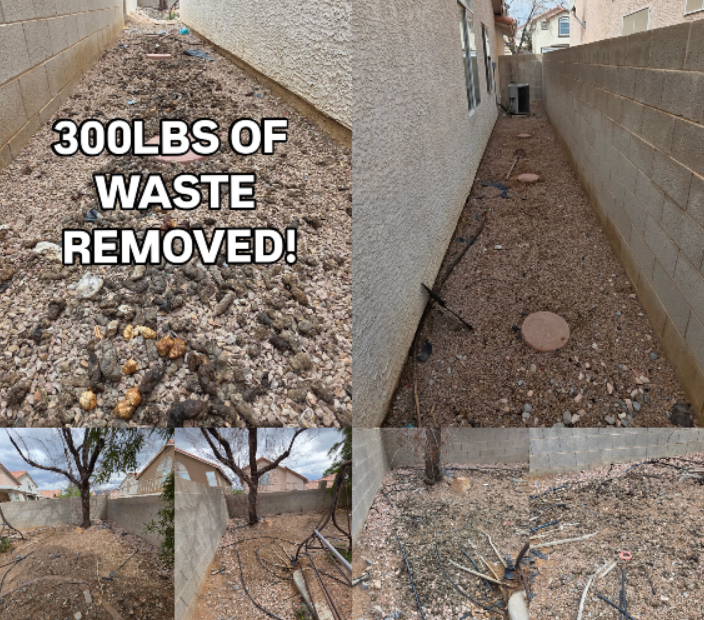
If you’ve ever looked at your yard and thought, “I’ll clean that up later,” you’re not alone. Pet waste is one of those chores that’s easy to put off. But what many homeowners don’t realize is that letting dog waste pile up isn’t just unpleasant—it can actually pose real health risks. In a warm, dry climate like Las Vegas, those risks can grow faster than you might expect.
So, can pet waste piling up make people sick? The short answer is yes. The long answer involves bacteria, parasites, environmental contamination, and how easily those risks can spread into your daily life.
Let’s break it down in detail.
Why Pet Waste Is More Dangerous Than It Looks
At first glance, dog waste might seem harmless—just an inconvenience to clean up. But biologically, it’s anything but.
What’s Inside Dog Waste?
Dog feces can carry a wide range of harmful organisms, including:
- Bacteria like E. coli and Salmonella
- Parasites such as roundworms and hookworms
- Protozoa like Giardia
These microorganisms can survive in soil for days, weeks, or even months depending on conditions.
How Pet Waste Can Make People Sick
Is Pet Waste Dangerous?
The risk isn’t just theoretical. There are several real ways pet waste can impact human health.
1. Direct Contact with Contaminated Soil
When pet waste sits in your yard, it eventually breaks down and mixes with the soil.
This Means:
- Anyone walking barefoot can be exposed
- Children playing outside are especially vulnerable
- Gardening can bring you into direct contact with bacteria
Even if you don’t touch the waste directly, the contamination spreads.
2. Parasite Transmission
One of the most serious risks comes from parasites.
Common Parasites in Dog Waste:
- Roundworms
- Hookworms
These parasites can infect humans through skin contact or accidental ingestion.
Potential Effects:
- Digestive issues
- Skin irritation
- In rare cases, more serious internal complications
3. Airborne Contaminants
In dry climates like Las Vegas, waste doesn’t just sit—it dries out.
When This Happens:
- Particles can break apart
- Dust can carry bacteria into the air
- Wind can spread contamination
This creates a less obvious but still real risk.
4. Water Contamination
Pet waste doesn’t stay in one place forever.
Through Irrigation or Rain:
- Waste can seep into the ground
- Bacteria can reach water sources
- Contaminants can spread beyond your yard
This can impact not only your property but also the surrounding environment.
5. Increased Risk for Children
Children are at higher risk than adults.
Why?
- They play directly on the ground
- They’re more likely to touch their face or mouth
- Their immune systems are still developing
Even a small amount of exposure can lead to illness.
6. Cross-Contamination Indoors
Pet waste doesn’t always stay outside.
It Can Be Tracked Inside Through:
- Shoes
- Pet paws
- Lawn equipment
Once inside, bacteria can spread to floors, carpets, and surfaces.
Common Illnesses Linked to Pet Waste
Is Pet Waste Dangerous?
While not every exposure leads to illness, the risks are real.
Possible Health Issues Include:
- Gastrointestinal infections
- Skin infections
- Respiratory irritation
- Parasitic infections
For individuals with weakened immune systems, the risks are even greater.
Why Heat Makes It Worse
Is Pet Waste Dangerous?
Living in Las Vegas adds another layer of concern.
Heat Accelerates:
- Bacterial growth
- Odor production
- Breakdown of waste
At the same time, dry conditions can increase the spread of airborne particles.
The Hidden Timeline of Risk
Is Pet Waste Dangerous?
Many people assume that waste becomes less harmful over time—but the opposite is often true.
Over Time:
- Bacteria multiply
- Parasites remain active
- Contamination spreads
The longer waste sits, the greater the potential health risk.
Pets Can Reinforce the Problem
Your own dog can contribute to the cycle.
Dogs May:
- Step in old waste
- Sniff or ingest contaminated areas
- Reintroduce bacteria into your home
This creates a loop of exposure that’s easy to overlook.
Odors Are a Warning Sign
Is Pet Waste Dangerous?
That unpleasant smell isn’t just annoying—it’s a signal.
Odors Indicate:
- Active decomposition
- Bacterial activity
- Poor sanitation
Ignoring the smell means ignoring the underlying issue.
Environmental Impact
Pet waste doesn’t just affect your yard—it impacts the broader environment.
It Can:
- Pollute local waterways
- Harm plant life
- Contribute to ecosystem imbalance
In urban areas like Las Vegas, these effects can add up quickly.
How Quickly Problems Can Escalate
Is Pet Waste Dangerous?
It doesn’t take long for pet waste to become a problem.
Within Days:
- Odors begin to develop
Within Weeks:
- Bacteria and parasites spread
Over Time:
- Yard becomes contaminated
- Health risks increase
Prevention Is Simple—but Requires Consistency
Is Pet Waste Dangerous?
The good news is that preventing these risks is straightforward.
Best Practices:
- Pick up waste regularly
- Dispose of it properly
- Wash hands after handling
- Keep pets clean
Consistency is the key.
The Benefits of Staying on Top of Cleanup
When you maintain a clean yard, you’re protecting more than just appearance.
You’ll Gain:
- A healthier environment
- Reduced risk of illness
- A more enjoyable outdoor space
- Peace of mind
When to Consider Professional Help
Is Pet Waste Dangerous?
For many homeowners, staying consistent can be challenging.
You Might Need Help If:
- You have multiple dogs
- Your schedule is busy
- Waste buildup becomes overwhelming
Professional pet waste removal services can ensure your yard stays clean and safe.
Long-Term Health and Safety
Over time, regular cleanup leads to:
- Lower exposure to harmful bacteria
- Safer play areas for children
- Healthier pets
- Cleaner living conditions
Final Thoughts
Is Pet Waste Dangerous?
So, can pet waste piling up make people sick? Absolutely. What starts as a small inconvenience can turn into a significant health risk if left unchecked.
In Las Vegas, where heat and dry conditions can accelerate the spread of bacteria and contaminants, staying on top of pet waste removal is even more important. By maintaining a consistent cleanup routine, you’re not just improving your yard—you’re protecting your health, your family, and your pets.
A clean yard is more than a visual upgrade—it’s a critical part of a safe and healthy home.