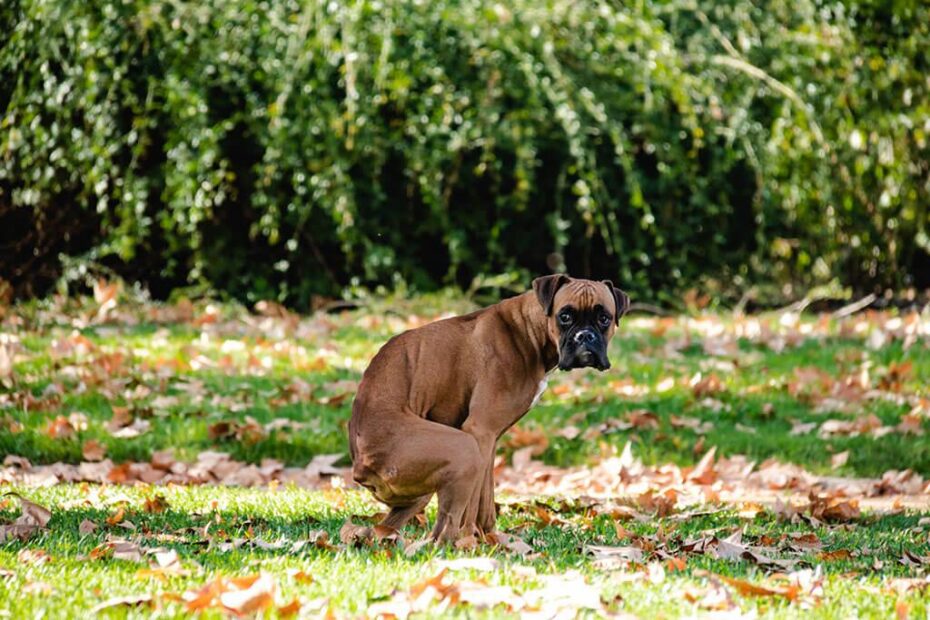
Leaving pet waste in your yard might seem like a small issue—something you’ll “get to later.” But in reality, allowing dog waste to sit for too long can create a wide range of problems that affect your health, your property, your pets, and even your neighborhood. In a warm, dry climate like Las Vegas, these issues can escalate quickly due to heat, bacteria growth, and environmental conditions.
If you’ve ever wondered whether skipping a cleanup day really matters, the answer is simple: it does. And not just a little—it can have serious consequences over time.
Here are 10 detailed reasons why you should never leave pet waste sitting in your yard for too long.
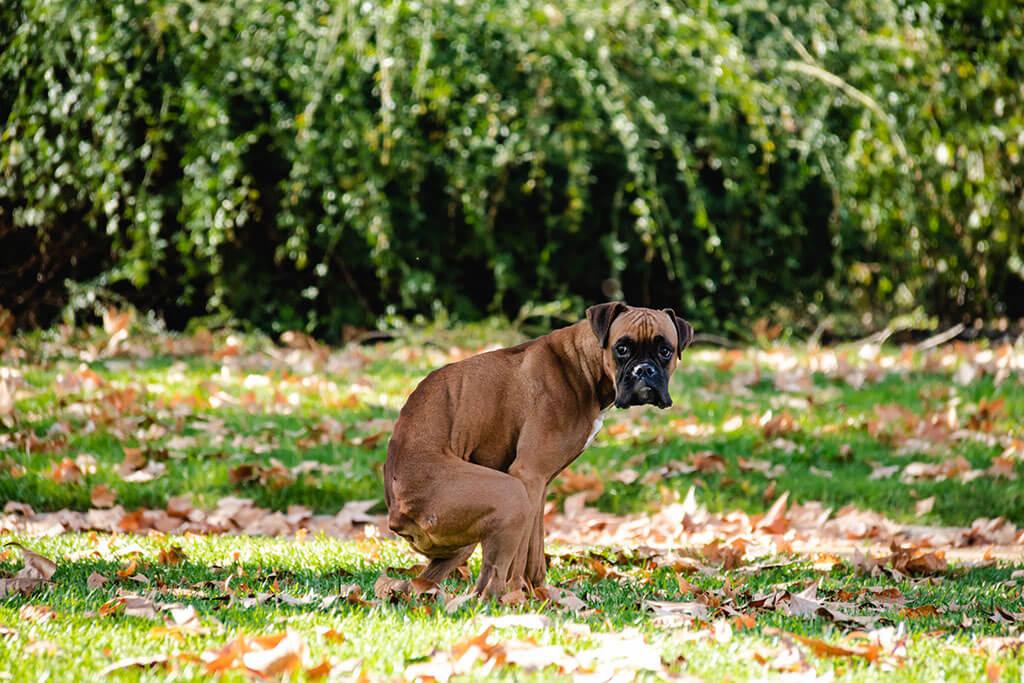
1. Pet Waste Carries Harmful Bacteria and Parasites
Dog waste isn’t just unpleasant—it’s biologically active.
What It Can Contain:
- E. coli
- Salmonella
- Roundworms
- Hookworms
- Giardia
These organisms can survive in soil for extended periods, especially when waste is left unattended.
Why This Matters:
- Humans can come into contact with contaminated soil
- Children are especially at risk while playing outside
- Other pets can become infected
In Las Vegas, where outdoor living is common, this risk becomes even more significant.
2. It Creates Strong, Lingering Odors
Dog waste doesn’t just smell bad—it gets worse over time.
As Waste Breaks Down:
- Odors intensify
- Smells spread across your yard
- Heat amplifies the stench
In hot climates, even a small amount of waste can quickly turn into a noticeable problem.
3. It Attracts Pests and Insects
Leaving pet waste in your yard is essentially an open invitation for pests.
Common Visitors Include:
- Flies
- Beetles
- Rodents
- Ants
These pests are not only annoying—they can carry diseases and spread contamination throughout your yard.
4. It Damages Your Lawn
Many people assume dog waste acts as fertilizer—but that’s a myth.
The Reality:
- High nitrogen content burns grass
- Leaves yellow or dead patches
- Creates uneven lawn growth
Over time, your yard can become patchy and unhealthy.
5. It Contaminates Soil and Water
Pet waste doesn’t just stay where it’s left.
When It Rains or Is Watered:
- Waste can seep into the soil
- Bacteria can reach groundwater
- Contaminants can spread beyond your yard
This is especially concerning in residential areas like Las Vegas, where water conservation and landscaping are important.
6. It Puts Your Own Pets at Risk
Even your own dog can suffer from uncollected waste.
Risks Include:
- Reinfection from parasites
- Exposure to harmful bacteria
- Increased chances of illness
Dogs are naturally curious and often revisit areas where they’ve gone before.
7. It Reduces the Usability of Your Yard
Your yard should be a place to relax and enjoy—not something you avoid.
When Waste Builds Up:
- You’re less likely to spend time outside
- Guests may feel uncomfortable
- Outdoor activities become limited
In a city like Las Vegas, where outdoor living is a big part of the lifestyle, this is a major drawback.
8. It Can Lead to HOA or Neighborhood Issues
If you live in a community with shared standards, pet waste can become a bigger issue.
Potential Problems:
- Complaints from neighbors
- Violations of HOA rules
- Fines or warnings
Keeping your yard clean helps maintain a positive relationship with your community.
9. It Becomes Harder to Clean Over Time
The longer pet waste sits, the harder it is to remove.
What Happens Over Time:
- Waste dries out and breaks apart
- It becomes embedded in grass or soil
- Cleanup becomes more time-consuming
Regular removal is far easier than dealing with buildup.
10. It Reflects Poor Property Maintenance
Like it or not, your yard is part of your home’s overall appearance.
A Yard with Pet Waste:
- Looks neglected
- Reduces curb appeal
- Can impact property value
In contrast, a clean yard creates a welcoming, well-maintained impression.
Why This Matters More in Las Vegas
Pet Waste Harmful Effects
Living in Las Vegas adds urgency to pet waste removal.
Unique Factors:
- High temperatures accelerate bacteria growth
- Dry conditions intensify odors
- Outdoor spaces are used year-round
What might seem like a minor issue elsewhere can quickly become a major problem here.
The Importance of Routine Cleanup
Pet Waste Harmful Effects
Consistency is key when it comes to managing pet waste.
Best Practices:
- Remove waste at least once or twice per week
- Check your yard regularly
- Stay consistent with your schedule
Routine cleanup prevents problems before they start.
The Benefits of a Clean Yard
When you stay on top of pet waste, the difference is immediate.
You’ll Enjoy:
- A healthier environment
- A more pleasant outdoor space
- Reduced risk of pests and disease
- Greater peace of mind
When to Consider Professional Help
Pet Waste Harmful Effects
For many homeowners, keeping up with pet waste removal can be challenging.
Consider Help If:
- You have multiple dogs
- Your schedule is busy
- You want consistent results
Professional services can ensure your yard stays clean without the hassle.
Long-Term Impact of Proper Maintenance
Pet Waste Harmful Effects
Over time, regular cleanup leads to:
- Healthier soil
- Better lawn appearance
- Safer environment for pets and family
- Improved quality of life
Final Thoughts
Pet Waste Harmful Effects
Leaving pet waste in your yard for too long might seem harmless, but the consequences can add up quickly. From health risks and unpleasant odors to lawn damage and pest problems, the effects are far-reaching.
In Las Vegas, where heat and outdoor living amplify these issues, staying on top of pet waste removal is even more important. By maintaining a consistent cleanup routine, you protect your home, your pets, and your family.
A clean yard isn’t just about appearance—it’s about creating a safe, healthy, and enjoyable space for everyone.