Worst Foods for Dogs
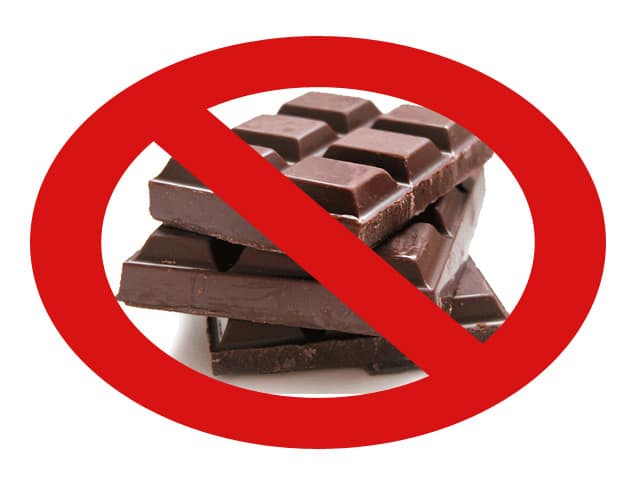
- Chocolate
- Grapes and raisins
- Onions and garlic
- Alcohol
- Caffeine (coffee, tea, energy drinks)
- Xylitol (a sweetener found in gum and some peanut butters)
- Avocados
- Macadamia nuts
- Cooked bones
- Fatty or fried foods
Dogs have very different digestive systems from humans, which means some foods that are harmless or even healthy for us can be toxic to them. One of the most well-known examples is chocolate, which contains theobromine and caffeine—both stimulants that dogs cannot metabolize efficiently. Even a small amount of dark chocolate can cause vomiting, diarrhea, rapid heart rate, and in severe cases, seizures or death. Similarly, caffeine in coffee, tea, or energy drinks is dangerous because it overstimulates a dog’s nervous system and heart.
Grapes and raisins are especially alarming because their toxic effect can be unpredictable and even small quantities can cause kidney failure in some dogs. Scientists haven’t identified the exact substance that makes grapes harmful, which makes them even riskier. Meanwhile, onions and garlic—common ingredients in many human meals—contain compounds that can damage dogs’ red blood cells, leading to anemia. Whether raw, cooked, or powdered, these alliums pose a serious risk.
Another group of problematic foods includes sugar substitutes like xylitol, which is found in many sugar-free gums, candies, and even some peanut butters. In dogs, xylitol can cause a rapid insulin release, resulting in hypoglycemia (low blood sugar), seizures, liver failure, or death. Alcohol is similarly dangerous; even small amounts can cause ethanol poisoning, leading to confusion, vomiting, tremors, and coma. Macadamia nuts are another lesser-known hazard; they can cause weakness, vomiting, and hyperthermia in dogs, even when eaten in small amounts.
It’s also important to avoid cooked bones and fatty or fried foods. Cooked bones can splinter and cause internal injuries or blockages in a dog’s digestive tract. High-fat foods like bacon or fried leftovers can lead to pancreatitis, a painful and potentially life-threatening condition. While it might be tempting to share table scraps with your pet, it’s safest to stick to foods specifically formulated for dogs or treats known to be safe. Always check with a veterinarian if you’re unsure whether a certain food is okay for your dog.