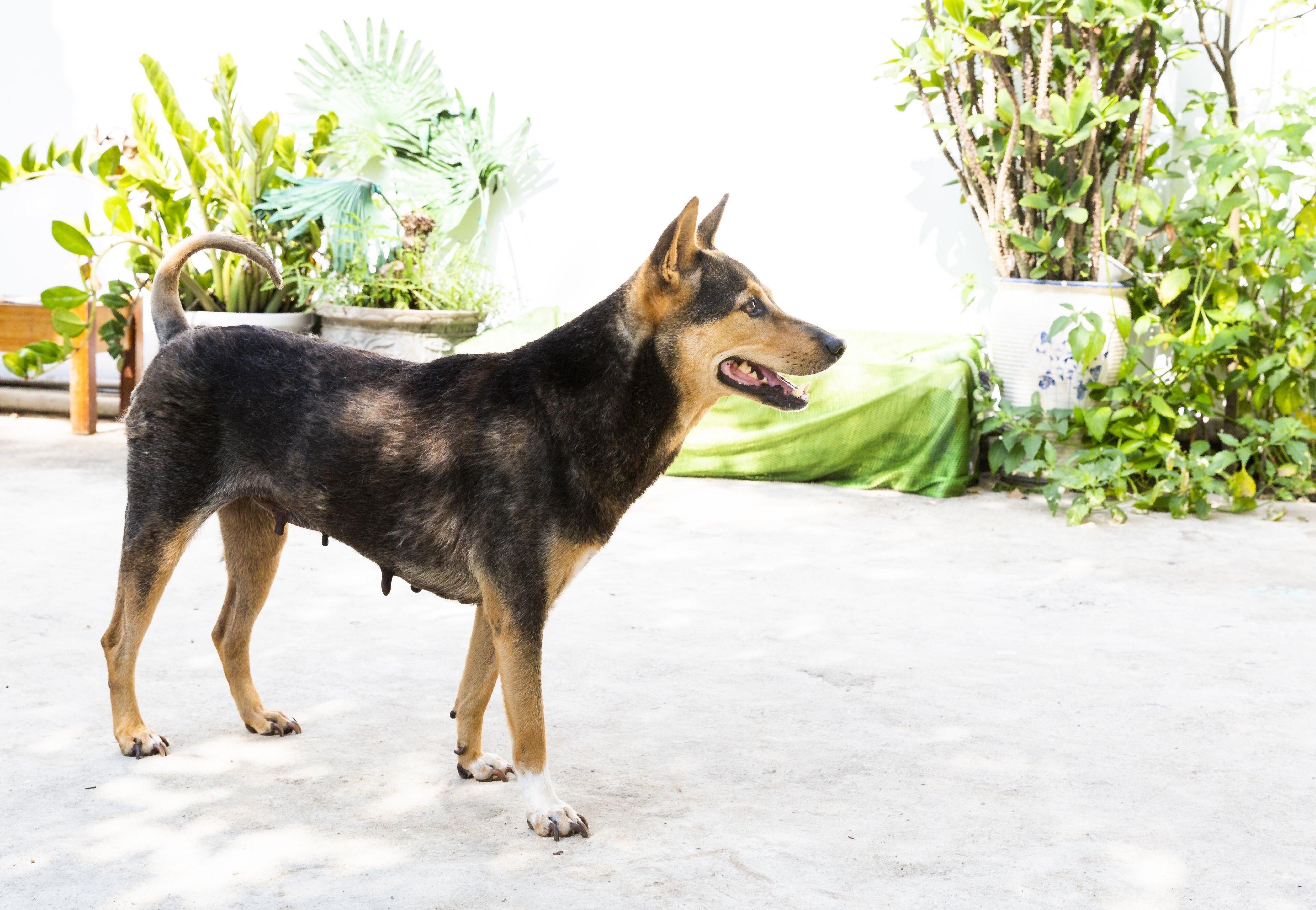
That’s a really important (and tough) question 💙. The risk of cancer in dogs depends on factors like age, breed, size, and overall health. Here’s what research shows:
📊 General Risk
- About 1 in 4 dogs (25%) will develop cancer at some point in their lives.
- For dogs over age 10, the risk increases to about 50%.
🐾 Breed & Size Factors
- Large breeds (like Golden Retrievers, Rottweilers, Bernese Mountain Dogs, Boxers) are more prone to certain cancers such as lymphoma, osteosarcoma, or hemangiosarcoma.
- Small breeds tend to have lower cancer rates but are more prone to other health issues (like heart disease).
- Mixed breeds can still get cancer, but their risk is often a little lower compared to purebreds with strong genetic predispositions.
⚠️ Other Risk Factors
- Age – biggest factor, since cancer risk rises as dogs get older.
- Genetics – certain breeds carry higher risks.
- Environment – exposure to secondhand smoke, chemicals, poor diet, or obesity can increase risk.
✅ Conclusion: On average, your dog has about a 25% lifetime chance of developing cancer, and that risk climbs to around 50% in senior dogs. But remember — not every lump or health issue is cancer, and early detection + vet checkups greatly improve outcomes.