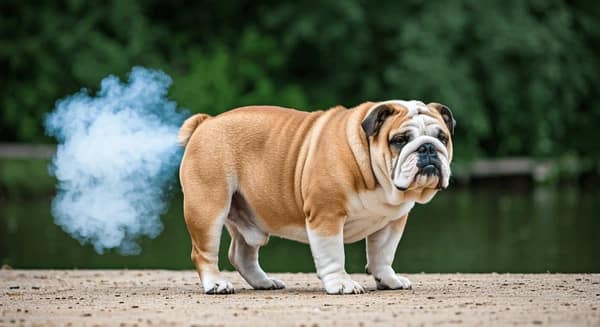
Dogs can get diarrhea for many reasons, from something minor to a more serious health issue. Here are the most common causes, grouped so it’s easy to understand:
🦴 Diet & Food-Related Causes (Most Common)
- Sudden diet changes (switching food too fast)
- Table scraps or fatty foods
- Food intolerance or allergies
- Eating spoiled food or garbage
- Too many treats or rich chews
- Milk or dairy (many dogs are lactose intolerant)
🐕🦺 Ingesting Something They Shouldn’t
- Grass, sticks, rocks, toys
- Human medications
- Toxic plants or foods (grapes, onions, xylitol)
- Cleaning chemicals or pesticides
🦠 Infections & Parasites
- Bacterial infections (Salmonella, E. coli)
- Viral infections (Parvo, especially in puppies)
- Parasites (Giardia, roundworms, hookworms, whipworms)
💊 Medications & Supplements
- Antibiotics (disrupt gut bacteria)
- NSAIDs or steroids
- New supplements or vitamins
😰 Stress & Anxiety
- Boarding, travel, moving
- New pets or people
- Loud noises (fireworks, construction)
Stress diarrhea is very common and usually temporary.
🩺 Health Conditions
- Pancreatitis
- Inflammatory bowel disease (IBD)
- Liver or kidney disease
- Hormonal disorders (Addison’s disease)
- Cancer (less common, but possible)
🐶 Age-Related Factors
- Puppies: more prone due to parasites and viruses
- Senior dogs: sensitive digestion or underlying illness
🚨 When to Call the Vet
Contact a vet if diarrhea:
- Lasts more than 24–48 hours
- Is bloody or black
- Comes with vomiting, lethargy, or fever
- Happens in a puppy or senior dog
- Follows toxin or foreign object ingestion
🏠 Mild Cases (What You Can Do at Home)
- Withhold food for 12–24 hours (adult dogs only)
- Offer plenty of water
- Feed bland foods (boiled chicken & plain rice)
- Add a vet-approved probiotic