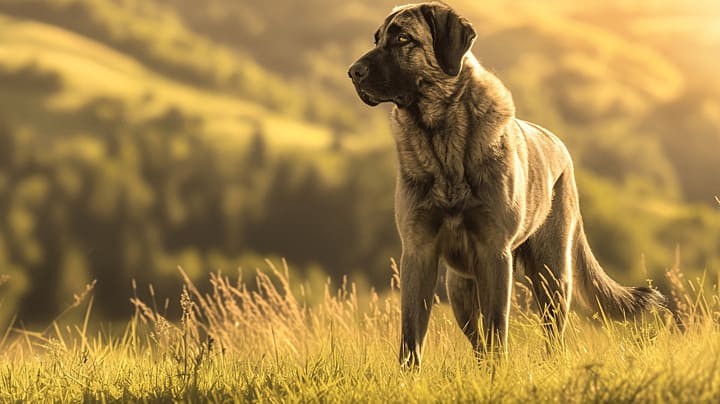
why do big dogs age faster?
Big dogs age faster than small dogs because of the way growth, metabolism, and cellular stress affect their bodies over time. Scientists don’t have one single explanation, but the leading theories fit together like pieces of a puzzle:
🧬 1. Big dogs grow much faster — and rapid growth stresses the body
Large-breed puppies grow at an incredibly fast rate, putting their cells under more pressure early in life.
This rapid growth:
- Increases the risk of DNA errors
- Causes more oxidation (cell “rusting”)
- Leads to earlier wear on organs and joints
Small dogs grow slower, giving their systems more time to develop without as much strain.
❤️ 2. Larger bodies make organs work harder
A Great Dane’s heart, lungs, and kidneys have to support a huge amount of mass compared to a Chihuahua. That means:
- The heart pumps more
- The joints carry more weight
- The metabolic demand is higher
Over many years, that extra workload adds up and shortens overall lifespan.
🧪 3. Bigger dogs produce more growth hormones
Growth hormones help large-breed puppies reach their size — but long-term, high levels of growth-related hormones can accelerate aging.
This leads to:
- Faster cell turnover
- Increased cancer risk
- Reduced longevity
Small dogs have fewer growth-related demands, which contributes to their longer lives.
🐕 4. Evolution didn’t design giant dogs — humans did
In nature, dogs their size (like wolves) live much longer than big dog breeds. However, large dog breeds were created through selective breeding, often prioritizing size and appearance over longevity and health.
This selective breeding sometimes passed on genetic issues that affect lifespan.
🧡 Bottom Line
Big dogs don’t “wear out” faster — their bodies simply work harder, grow faster, and face more cellular stress than small dogs.
If you want, I can also explain:
- Which big breeds live the longest
- Tips to extend a large dog’s lifespan
- How aging signs differ between big and small dogs