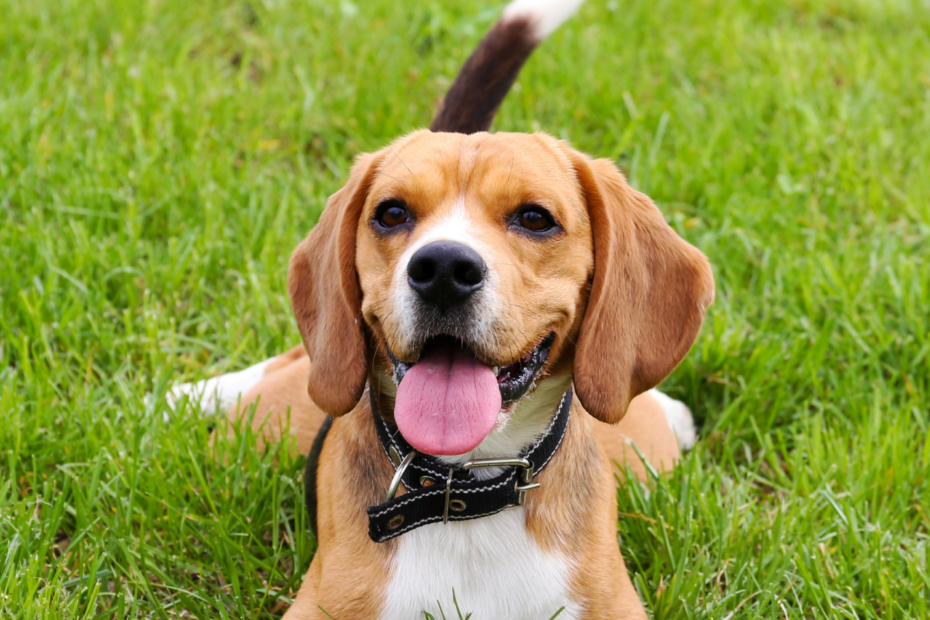
How the Las Vegas Heat Affects Dogs: What Every Pet Owner Needs to Know
Las Vegas heat and dogs
Living in Las Vegas means enjoying nearly 300 days of sunshine each year, but that beautiful weather comes with a serious responsibility for dog owners. While people can cool off with air conditioning, cold drinks, and lightweight clothing, dogs rely on their owners to protect them from the intense desert heat.
Summer temperatures in Las Vegas regularly climb above 100°F, and it’s not uncommon for pavement temperatures to exceed 150°F during the hottest part of the day. Those conditions can quickly become dangerous—even deadly—for dogs.
Understanding how heat affects your dog is one of the most important parts of responsible pet ownership. Whether you have a playful Labrador Retriever, a tiny Chihuahua, a senior Golden Retriever, or a young mixed-breed puppy, every dog is vulnerable to extreme temperatures.
Here’s what every Las Vegas dog owner should know about keeping their pets safe throughout the desert summer.
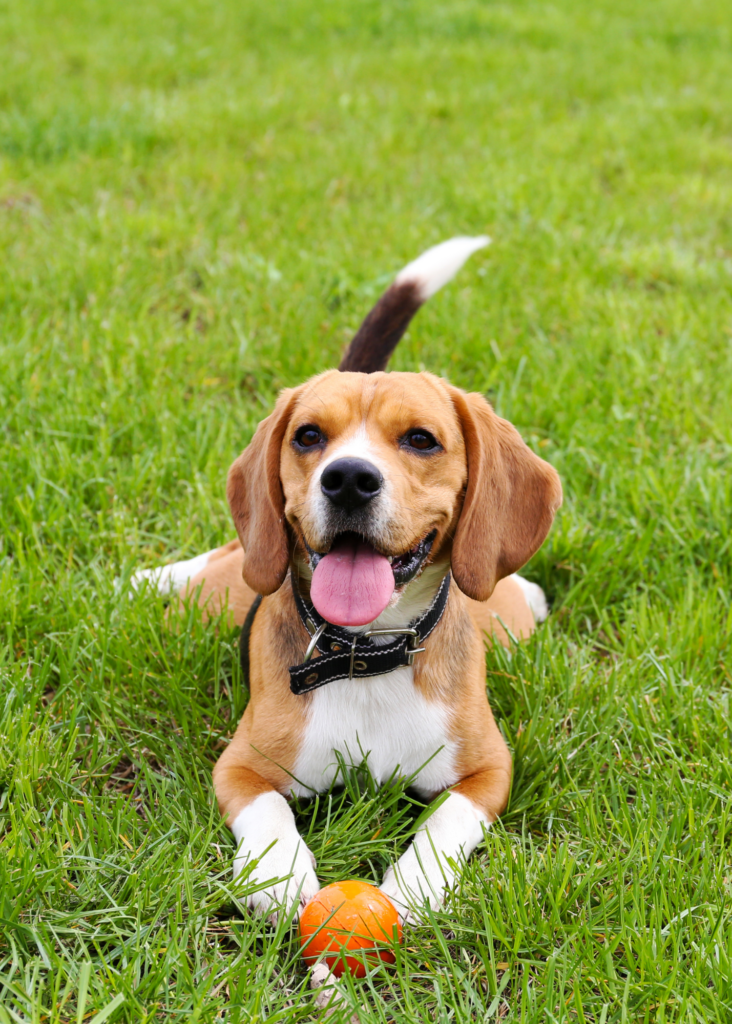
Why Dogs Struggle in Hot Weather
Unlike humans, dogs cannot regulate their body temperature by sweating through their skin. They primarily cool themselves by panting and by releasing small amounts of heat through their paw pads.
When temperatures become too high, panting alone often isn’t enough.
As a dog’s body temperature rises, their organs begin working harder to cool themselves. If they cannot release enough heat, they can quickly develop heat exhaustion or even heatstroke—a medical emergency that requires immediate veterinary attention.
This process can happen much faster than many people realize, especially in the dry desert climate of Southern Nevada.
Las Vegas Heat Is More Dangerous Than You Think
Many visitors assume the dry heat isn’t as dangerous as humid climates. While low humidity can feel more comfortable for people, dogs are still exposed to extreme temperatures.
Several factors make Las Vegas particularly challenging for pets:
- Pavement absorbs and radiates intense heat.
- Artificial turf becomes extremely hot.
- Limited natural shade increases sun exposure.
- Dry air speeds up dehydration.
- Summer temperatures often remain above 90°F well into the evening.
Even if the air temperature feels manageable, the ground your dog walks on may be hot enough to burn their paws within seconds.
Hot Pavement Can Burn Paw Pads
One of the most overlooked dangers during Las Vegas summers is hot pavement.
When the outside temperature reaches 95°F, asphalt can exceed 140°F. On 105°F or 110°F days, pavement temperatures may reach 150°F or higher.
Those temperatures can burn sensitive paw pads almost instantly.
A simple rule every dog owner should follow is the seven-second test. Place the back of your hand on the pavement for seven seconds. If it’s too hot for your hand, it’s too hot for your dog’s paws.
Early morning walks before sunrise and evening walks after sunset are much safer alternatives.
Signs of Heat Exhaustion
Every dog owner should recognize the warning signs of overheating.
Common symptoms include:
- Excessive panting
- Heavy drooling
- Bright red gums
- Weakness
- Lethargy
- Vomiting
- Diarrhea
- Difficulty walking
- Glassy eyes
- Rapid heartbeat
If your dog begins showing these symptoms, move them into a cool environment immediately and contact your veterinarian.
The sooner treatment begins, the better the chances of a full recovery.
Heatstroke Is a Life-Threatening Emergency
Heatstroke occurs when a dog’s internal body temperature rises to dangerous levels.
Without immediate medical treatment, heatstroke can damage the brain, kidneys, liver, heart, and other vital organs.
Symptoms may include:
- Collapse
- Seizures
- Confusion
- Unconsciousness
- Difficulty breathing
- Loss of coordination
Heatstroke should always be treated as an emergency.
While transporting your dog to an emergency veterinarian, begin cooling them gradually with cool—not ice-cold—water and allow access to fresh drinking water if they are alert enough to drink.
Some Dogs Face Higher Risks
Although every dog can overheat, certain breeds are especially vulnerable.
Flat-Faced Breeds
French Bulldogs, Pugs, Boston Terriers, Bulldogs, and Shih Tzus have shortened airways that make cooling themselves more difficult.
Thick-Coated Dogs
Golden Retrievers, Huskies, German Shepherds, and Bernese Mountain Dogs retain more body heat because of their dense coats.
Senior Dogs
Older dogs often struggle to regulate body temperature and may have underlying health conditions that increase their risk.
Puppies
Young dogs become dehydrated more quickly than healthy adults and may not recognize when they need to rest.
Overweight Dogs
Extra body fat acts as insulation, making it more difficult for dogs to cool themselves.
Preventing Dehydration
Water is one of your dog’s best defenses against the Las Vegas heat.
Always provide:
- Fresh, clean water
- Multiple water bowls outdoors
- Water during walks
- Portable travel bowls
- Frequent opportunities to drink
Never wait until your dog appears thirsty.
Dogs often begin dehydrating before obvious symptoms appear.
The Best Time to Walk Your Dog
During summer, the safest walking times are:
- Before 7:00 AM
- After sunset
- Late evening
Avoid walks between 10:00 AM and 6:00 PM whenever possible.
Even if your dog seems energetic, excessive exercise during peak temperatures can quickly become dangerous.
Instead, consider indoor games, obedience training, puzzle toys, or short backyard play sessions during cooler hours.
Don’t Leave Dogs in Parked Cars
Even with the windows cracked, temperatures inside a vehicle can become deadly within minutes.
On a warm day, the interior of a parked vehicle can climb above 120°F surprisingly fast.
Running into a store “for just a minute” can quickly become life-threatening for a pet left inside the car.
Whenever possible, leave your dog safely at home in an air-conditioned environment.
Make Your Backyard Safer
Many Las Vegas families enjoy spending time outdoors with their dogs.
Creating a pet-friendly yard can significantly reduce heat-related risks.
Helpful improvements include:
- Covered patio areas
- Shade trees
- Cooling mats
- Fresh water stations
- Misting systems
- Pet-safe artificial turf
- Grass areas where possible
A shaded yard encourages dogs to spend time outside without prolonged exposure to direct sunlight.
Clean Yards Help Keep Dogs Healthy
Summer heat also makes pet waste removal even more important.
Dog waste left in the yard can produce stronger odors, attract flies, encourage bacteria growth, and create an unpleasant environment for both pets and families.
Regular dog poop cleanup helps keep outdoor spaces cleaner, healthier, and more enjoyable during the warmer months.
Many Las Vegas homeowners choose weekly pet waste removal services so they can spend more time enjoying their yard and less time cleaning it.
Watch for Hidden Signs of Stress
Not every dog shows obvious signs of overheating.
Some dogs simply become:
- Less playful
- More tired
- Slower during walks
- Less interested in eating
- Quieter than normal
Paying attention to these subtle behavioral changes can help prevent serious health emergencies.
Indoor Enrichment During Extreme Heat
When temperatures soar into the triple digits, indoor activities can provide valuable mental stimulation.
Great options include:
- Puzzle feeders
- Hide-and-seek games
- Indoor fetch
- Obedience training
- New trick practice
- Food-dispensing toys
- Nose work games
Keeping your dog’s mind active is just as important as physical exercise.
Enjoy Summer Safely
Living in Las Vegas doesn’t mean your dog can’t enjoy an active, happy life. It simply means adjusting routines to match the desert climate.
By walking during cooler hours, providing constant access to water, avoiding hot pavement, recognizing the warning signs of heat-related illness, and creating a safe environment at home, you can help your dog stay healthy throughout the hottest months of the year.
Every responsible choice you make protects your pet from unnecessary risks and helps ensure many years of adventures together.
When temperatures begin to climb, remember that your dog depends entirely on you to make safe decisions. A little preparation goes a long way toward keeping your four-legged family member comfortable, healthy, and happy all summer long.
How the Las Vegas Heat Affects Dogs | Summer Safety Tips for Pet Owners
Learn how the Las Vegas heat affects dogs, how to prevent heatstroke, protect paws from hot pavement, and keep your pet safe all summer long.
Las Vegas heat and dogs
How the Las Vegas heat affects dogs and how to keep them safe
las-vegas-heat-affects-dogs
- Las Vegas heat and dogs
- dog heat safety
- heatstroke in dogs
- dog overheating
- hot pavement dogs
- Las Vegas dog safety
- summer dog safety
- desert dog care
- dog dehydration
- pet safety Las Vegas
- dog care in hot weather
- dogs in Las Vegas
- dog paw protection
- heat exhaustion in dogs
- responsible dog ownership
- walking dogs in summer
- dog water safety
- cooling dogs in hot weather
- dog health tips
- Las Vegas pet owners
- pet care tips
- signs of heatstroke in dogs
- dog summer precautions
- protecting dogs from heat
- pet safety during summer