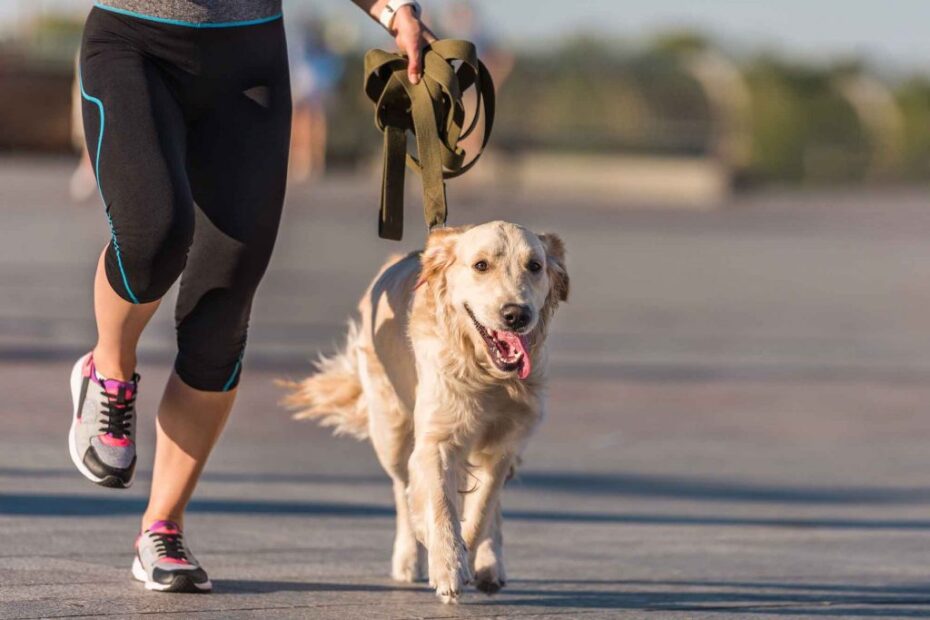
What Temperature Is Too Hot for Dogs to Be Outside? Understanding Heat Risks, Summer Safety, and How to Protect Your Dog
When summer temperatures rise, many dog owners naturally start worrying about their pets. Questions about hydration, exercise, hot pavement, and overheating become especially important during heat waves and extreme weather conditions.
One of the most common questions veterinarians and pet experts hear every year is simple:
“What temperature is too hot for dogs to be outside?”
The answer is not always straightforward because every dog is different. Breed type, age, health, humidity, sunlight exposure, and activity level all play major roles in determining how safely a dog can tolerate heat.
However, one thing is certain: dogs are far more vulnerable to overheating than many people realize.
Unlike humans, dogs cannot cool themselves efficiently through sweating. Dogs primarily regulate body temperature through:
- Panting
- Limited sweating through paw pads
- Releasing heat through respiration
When temperatures become too high, dogs can quickly develop:
- Heat stress
- Dehydration
- Burned paw pads
- Heat exhaustion
- Potentially fatal heat stroke
In hot climates like Las Vegas, Phoenix, and other desert regions, even short outdoor exposure can become dangerous during peak summer heat.
Understanding safe temperature ranges, warning signs of overheating, and how to protect dogs during warm weather can help pet owners keep their pets safer and healthier throughout the hottest months of the year.

How hot is too hot for a dog to be outside?
Why Dogs Overheat Faster Than Humans
What temperature is too hot for dogs?
Humans cool down primarily by sweating across the skin.
Dogs do not sweat efficiently in the same way.
Instead, dogs rely heavily on:
- Panting
- Air exchange through the mouth
- Limited cooling through paw pads
This cooling system works reasonably well in moderate temperatures but becomes far less effective during:
- High heat
- Humidity
- Direct sunlight
- Poor ventilation
- Intense exercise
Once a dog’s body temperature rises too high, overheating can happen surprisingly fast.
What Temperature Is Generally Too Hot for Dogs?
While every dog is different, general safety guidelines often look like this:
Under 70°F
Most dogs tolerate outdoor activity comfortably.
70°F–80°F
Generally safe for many dogs, but caution is still important during exercise or direct sunlight exposure.
80°F–85°F
Heat risk begins increasing, especially for:
- Puppies
- Senior dogs
- Flat-faced breeds
- Large dogs
- Overweight dogs
85°F–90°F
Many dogs begin facing increased overheating risk, especially during physical activity.
90°F and Above
Dangerous conditions become much more likely, especially in direct sun or on hot surfaces.
100°F and Above
Extreme caution is necessary. Outdoor exposure should often be limited to very brief bathroom breaks.
In desert climates, temperatures above 100°F can become life-threatening for dogs quickly.
Humidity Makes Heat More Dangerous
What temperature is too hot for dogs?
Humidity plays a huge role in how safely dogs tolerate heat.
Dogs cool themselves primarily through panting, which depends on moisture evaporation.
When humidity rises:
- Evaporation becomes less effective
- Cooling efficiency drops
- Heat stress increases faster
This means:
- 85°F with high humidity may be more dangerous than 95°F in dry conditions
Even though desert climates are dry, extreme temperatures still create major risks.
Direct Sunlight Changes Everything
A dog sitting outside in shade experiences heat differently than a dog standing in direct sunlight.
Direct sun dramatically increases:
- Body heat absorption
- Surface temperatures
- Dehydration risk
Even moderately warm days may become dangerous if:
- There is no shade
- Surfaces are overheated
- Airflow is poor
Always consider sunlight exposure in addition to air temperature.
Certain Breeds Struggle More in Heat
What temperature is too hot for dogs?
Some dogs are naturally more vulnerable to overheating.
Flat-faced breeds, also called brachycephalic breeds, face especially high risk because their shortened airways reduce cooling efficiency.
High-risk breeds include:
- Bulldog
- French Bulldog
- Pug
- Boxer
These dogs often struggle to regulate body temperature even in moderately warm weather.
Large and Thick-Coated Dogs Are Also Vulnerable
Large dogs and heavy-coated breeds may also struggle significantly in heat.
Breeds like:
- Siberian Husky
- Alaskan Malamute
- Saint Bernard
retain more body heat and may overheat more quickly during summer.
Even active breeds that enjoy outdoor exercise can become vulnerable during extreme temperatures.
Puppies and Senior Dogs Require Extra Care
What temperature is too hot for dogs?
Young puppies and elderly dogs often have reduced heat tolerance.
Puppies:
- Overheat faster
- Tire more quickly
- Have immature temperature regulation
Senior dogs may:
- Have reduced cardiovascular efficiency
- Struggle with mobility
- Tire more easily
- Recover more slowly from heat exposure
Owners should monitor these dogs especially carefully during warm weather.
Pavement Temperatures Become Extremely Dangerous
Air temperature alone does not tell the full story.
Surfaces like:
- Asphalt
- Concrete
- Artificial turf
- Pavers
can become dramatically hotter than surrounding air.
For example:
- 90°F air temperature may create pavement temperatures over 140°F
These surfaces can:
- Burn paw pads
- Increase body heat rapidly
- Cause severe discomfort
Dogs absorb heat from below as well as above.
Artificial Turf Gets Shockingly Hot
What temperature is too hot for dogs?
Artificial turf deserves special attention because it can become even hotter than asphalt.
Synthetic grass exposed to direct sunlight may exceed:
- 150°F
- 160°F
- Higher during extreme heat waves
Dogs walking or lying on overheated turf face increased risk of:
- Paw burns
- Overheating
- Heat exhaustion
Pet owners should always test turf temperature before allowing dogs outside during hot afternoons.
How Long Is Too Long Outside?
The danger is not only about temperature.
Duration matters too.
A brief bathroom break at 95°F may be manageable for some dogs.
However:
- Long walks
- Vigorous exercise
- Extended backyard time
can quickly become dangerous.
Dogs left outdoors without supervision face much higher risk.
Signs Your Dog Is Overheating
What temperature is too hot for dogs?
Dog owners should learn to recognize early heat stress symptoms.
Warning signs include:
- Excessive panting
- Heavy drooling
- Bright red gums
- Weakness
- Slowed movement
- Glassy eyes
- Vomiting
- Confusion
As overheating worsens, dogs may:
- Collapse
- Lose coordination
- Experience seizures
- Become unresponsive
Heat Stroke Can Be Fatal
Heat stroke occurs when a dog’s body temperature rises dangerously high and normal cooling systems fail.
This can cause:
- Organ damage
- Brain damage
- Internal bleeding
- Death
Heat stroke can develop surprisingly quickly, especially in:
- Parked cars
- Poorly ventilated spaces
- Direct sunlight
- High temperatures combined with exercise
Immediate veterinary care is essential.
Never Leave Dogs in Parked Cars
What temperature is too hot for dogs?
One of the most dangerous situations for dogs is being left inside parked vehicles.
Even with windows cracked, vehicle temperatures rise rapidly.
On warm days:
- Car interiors may exceed 120°F within minutes
Dogs can suffer fatal heat stroke extremely quickly inside vehicles.
Even “quick errands” can become deadly.
Best Times to Walk Dogs During Summer
During hot weather, walks should ideally happen:
- Early morning
- After sunset
- Late evening
Avoid:
- Midday walks
- Afternoon exercise
- Peak heat hours
In places like Las Vegas, pavement may remain dangerously hot even after sunset, so surface checks are still important.
Shade Makes a Huge Difference
What temperature is too hot for dogs?
If dogs spend time outdoors during warm weather, shade is critical.
Dogs need access to:
- Covered patios
- Trees
- Cooling areas
- Ventilated shelter
Direct sunlight exposure dramatically increases overheating risk.
Shade alone does not fully eliminate danger, but it helps significantly.
Hydration Is Essential
Fresh water should always be available during warm weather.
Dogs lose moisture rapidly through panting.
Dehydration worsens overheating risk dramatically.
Pet owners should encourage frequent water breaks during:
- Walks
- Outdoor play
- Park visits
- Backyard time
Portable water bowls help during outings.
Some Dogs Ignore Their Own Limits
Many energetic dogs continue playing even while overheating.
Dogs often prioritize:
- Excitement
- Fetch
- Running
- Interaction
over recognizing physical exhaustion.
Owners must monitor activity carefully rather than relying entirely on the dog to stop voluntarily.
Swimming Helps — But Caution Is Still Needed
What temperature is too hot for dogs?
Pools and water play help many dogs cool down safely.
However:
- Pool decks may still become dangerously hot
- Dogs can still overheat during intense activity
- Some dogs tire quickly while swimming
Always supervise dogs around water.
Indoor Enrichment Is Safer During Extreme Heat
On extremely hot days, indoor activity may be the safest choice.
Indoor enrichment ideas include:
- Puzzle toys
- Obedience training
- Tug games
- Indoor fetch
- Mental stimulation activities
Exercise can still happen without dangerous outdoor exposure.
Desert Climates Require Extra Vigilance
What temperature is too hot for dogs?
Cities like:
- Las Vegas
- Phoenix
- Palm Springs
create especially dangerous summer conditions for dogs because temperatures:
- Rise rapidly
- Stay elevated overnight
- Superheat pavement surfaces
Desert pet owners must remain especially cautious during summer months.
Dog Owners Often Underestimate Heat Risk
One reason overheating accidents happen so often is because humans experience heat differently than dogs.
Humans:
- Wear shoes
- Sweat efficiently
- Understand heat warnings
- Can verbally communicate discomfort
Dogs cannot.
Owners must actively monitor:
- Temperature
- Surface heat
- Water intake
- Behavioral changes
to keep pets safe.
How to Keep Dogs Safer During Hot Weather
What temperature is too hot for dogs?
Some of the best ways to reduce heat risk include:
- Walking early or late
- Avoiding midday sun
- Providing constant water
- Limiting outdoor time
- Using shaded areas
- Checking pavement temperatures
- Watching for overheating symptoms
Small precautions make a tremendous difference.
Final Thoughts on Dogs and Hot Weather
So what temperature is too hot for dogs to be outside?
While the answer depends on breed, age, health, humidity, and activity level, danger often begins around:
- 85°F for vulnerable dogs
- 90°F and above for many dogs
- 100°F+ for nearly all prolonged outdoor activity
The hotter the weather becomes, the more careful pet owners must be.
Heat-related illness can happen quickly, especially during:
- Exercise
- Direct sunlight exposure
- Walks on hot pavement
- Poor hydration
By understanding heat risks and adjusting outdoor routines accordingly, dog owners can help keep their pets safer, healthier, and far more comfortable throughout the hottest months of the year.
- what temperature is too hot for dogs
- dog heat safety
- dogs outside in hot weather
- dog overheating symptoms
- dog heat stroke prevention
- summer dog safety
- hot weather dog care
- safe temperatures for dogs outside
- dogs in desert heat
- Las Vegas dog safety
- dog hydration summer
- hot pavement dog safety
- dog overheating signs
- extreme heat pet safety
- how hot is too hot for dogs
- protecting dogs from heat
- summer pet care tips
- heat exhaustion in dogs
- dogs and hot temperatures
- outdoor dog safety summer